
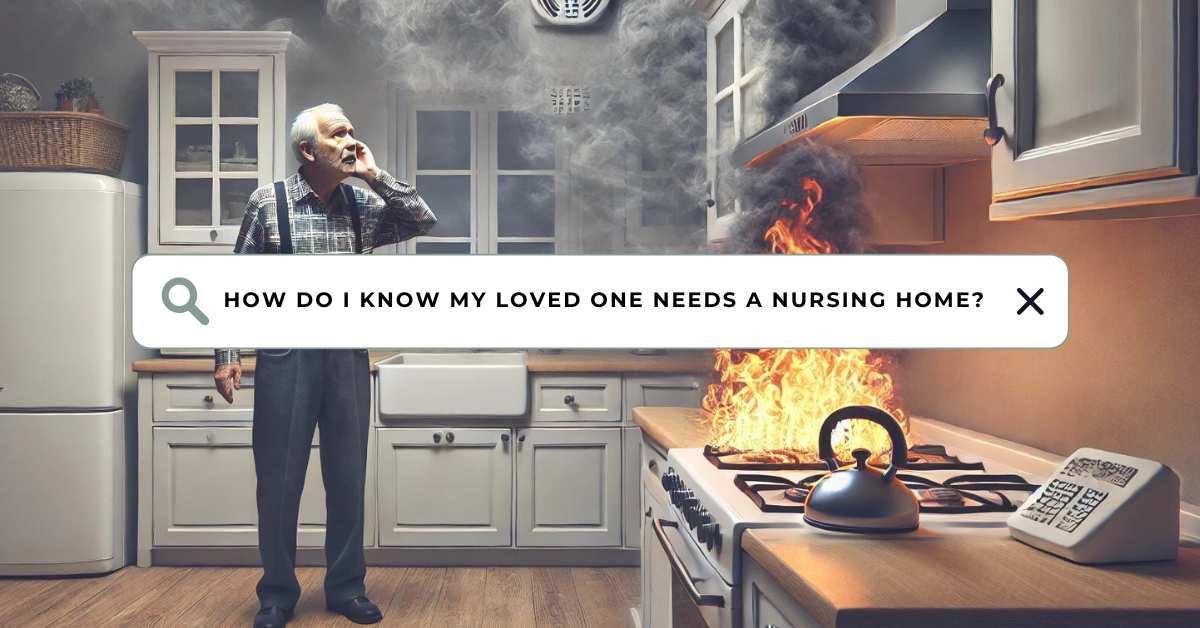
Caring for a loved one with dementia is a journey filled with challenges, emotions, and tough decisions. One of the hardest choices many caregivers face is whether to place their loved one in a nursing home. I’ve worked with countless caregivers who were determined to avoid nursing home care at all costs, but sometimes, despite the best intentions, it becomes the only viable option. If you’re wrestling with this decision, you’re not alone. Let’s dive into the top three reasons why you might need to consider nursing home care for your loved one with dementia.
Not Everyone with Dementia Needs Nursing Home Care
Before we get into the nitty-gritty, it’s important to note that not everyone with dementia requires nursing home care. Many individuals with dementia are able to continue living at home, surrounded by familiar comforts, with the support of family, friends, and community resources. Some might even live in the home of a family member, like a child or grandchild, or in less intensive settings such as assisted living facilities or group homes.
The key to determining the best living arrangement for your loved one lies in several factors, including the level of help they receive, their willingness to accept that help, their physical capabilities, and the specific symptoms they experience due to dementia. For instance, two people with mild Alzheimer’s disease might require completely different levels of care. One might thrive with just a little assistance at home, while the other might need much more hands-on care.
People Who Place Loved Ones in Nursing Homes Aren’t Bad People
This is something I want to emphasize strongly: placing your loved one in a nursing home does not mean you love them any less. I’ve met many caregivers who grapple with guilt over this decision, feeling like they’ve failed their loved one. But the truth is, sometimes placing your loved one in a nursing home is the most loving thing you can do for them.
Caring for someone with dementia is a highly individual experience, and what works for one person might not work for another. So, please, don’t compare your situation to someone else’s. What’s important is doing what’s right for your loved one and for you. Now, let’s talk about the top three reasons why nursing home care might be necessary.
1. Safety Concerns: When Home Is No Longer Safe
Safety is the number one reason why many caregivers ultimately decide on nursing home care. Dementia can bring about behaviors and cognitive changes that make it difficult, if not impossible, to keep a loved one safe at home. Let’s look at some specific safety concerns that might signal it’s time to consider a nursing home.
Wandering and Getting Lost
One of the most concerning behaviors in people with dementia is wandering. If your loved one has a tendency to leave the house, whether they live alone or with others, and has been able to get out despite alarms, locks, or GPS trackers, this is a serious red flag. Keeping an eye on someone 24/7 is nearly impossible, and the risks of them getting lost, especially in extreme weather or high-traffic areas, can be life-threatening.
Inability to Recognize Danger
Another safety concern is when your loved one is no longer able to recognize dangerous situations. This might include letting strangers into the home, giving out personal information to scammers, or not knowing how to respond in emergencies. Sadly, I’ve seen cases where individuals with dementia have lost their life savings because they were too trusting or unaware of the risks involved in interacting with strangers.
Emergency Response Issues
You might be surprised to learn that some people with dementia lose the ability to respond appropriately in emergencies. They may not remember to call 911 or recognize what situations require emergency help. If your loved one is in this situation, and you or someone else cannot be with them around the clock, it might be time to consider a higher level of care.
These are just a few examples, but they highlight the critical issue of safety. If your loved one’s safety is at risk, it might be time to explore nursing home options where they can receive the constant supervision and care they need.
2. Loss of Control Over Bowels: A Major Turning Point
The second major reason why nursing home care becomes necessary is when your loved one loses control over their bowels and bladder. This is a challenging and often heartbreaking development for both the person with dementia and their caregiver.
Managing Incontinence at Home
Dealing with incontinence can be incredibly demanding. It requires constant attention to hygiene, frequent clothing changes, and often, significant help with bathing and toileting. Unfortunately, many people with dementia resist these efforts, refusing to bathe or change their clothes, which increases the risk of infections and other health problems.
This stage of dementia care is tough on everyone involved. If you find yourself struggling to manage incontinence at home, it’s important to recognize that this is a common turning point for many caregivers. When incontinence becomes too overwhelming to handle on your own, nursing home care might be the best option for both you and your loved one.
3. Caregiver Stress: When the Load Becomes Too Much
The third reason, and perhaps the most difficult for caregivers to face, is caregiver stress. I’m not talking about the everyday stress that comes with caring for a loved one with dementia. I’m talking about the kind of stress that leaves you feeling completely overwhelmed, burned out, and unable to carry on.
Recognizing the Signs of Extreme Caregiver Stress
If you’re finding it hard to get out of bed in the morning, constantly arriving late to work, or feeling like your relationships are falling apart because you’re dedicating all your time and energy to your loved one, this is a sign that something needs to change.
Are you feeling anxious or depressed? Has your own health started to decline because you’ve put yourself on the back burner? If any of this sounds familiar, it’s time to seriously consider whether you can continue to provide the care your loved one needs.
Why Nursing Home Care Can Be the Right Choice
When caregiver stress reaches this level, it’s not just affecting you—it’s also impacting your ability to care for your loved one. Placing them in a nursing home doesn’t mean you’re giving up. It means you’re acknowledging that they need more care than you can provide on your own and that you deserve to have your health and well-being preserved as well.
Final Thoughts: Be Kind to Yourself
If you’re grappling with the decision to place your loved one in a nursing home, remember to be kind to yourself. This is not an easy choice, but it’s one that many caregivers face. Your situation is unique, and you need to do what’s best for your loved one and for you.
Watch On YouTube
Want to watch the in-depth video that inspired this post?
Click the video below to watch. ↓
Transform Your Caregiving Journey: Join Our Care Collective Today 💖
Are you seeking deeper, more personalized support in your caregiving journey? Discover our Care Collective program, designed exclusively for caregivers like you. By joining, you’ll gain access to weekly support groups, engage in expert-led Q&A sessions, and connect with a vibrant community of caregivers who truly understand the challenges you face. Don’t navigate this path alone—CLICK HERE to learn more and become part of a supportive network dedicated to empowering caregivers with knowledge, compassion, and resources. Join us today and transform your caregiving journey!