
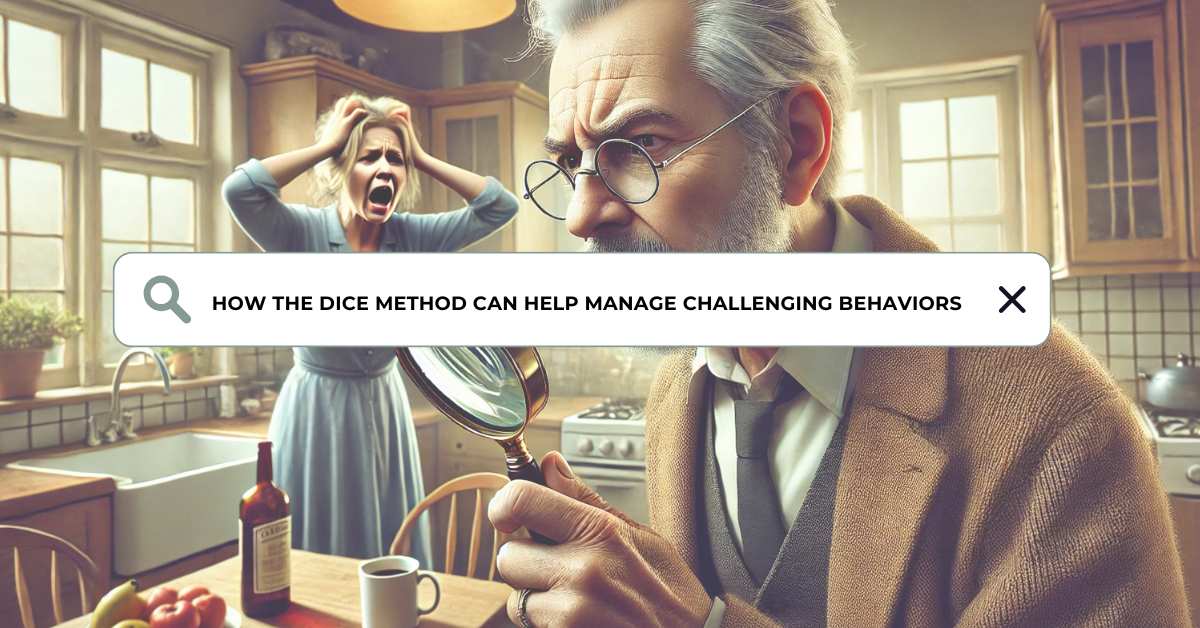
The One Symptom 98% of People with Dementia Experience—and How to Manage It Effectively
We’re diving into a topic that’s incredibly important for anyone caring for a loved one with dementia. Did you know that 98% of people with dementia experience a particular set of symptoms? My guess is your loved one is among them, or you probably wouldn’t be here reading this. So, let’s talk about what these symptoms are and, most importantly, how you can manage them to make life easier for both you and your loved one.
Understanding Behavioral and Psychological Symptoms of Dementia (BPSD)
So, what’s the big mystery symptom affecting almost everyone with dementia? We’re talking about Behavioral and Psychological Symptoms of Dementia, often abbreviated as BPSD. These include:
Agitation
Restlessness
Anxiety
Sleep difficulties
Depression
These symptoms are more than just challenging behaviors; they significantly impact the quality of life for both the person with dementia and their caregivers. And here’s why it’s crucial to address them:
Increased Risk of Early Placement: People experiencing these symptoms are more likely to be placed in care facilities earlier than those who don’t.
Higher Hospital Stays: These behaviors often lead to more frequent hospital visits.
Caregiver Stress: Let’s face it; dealing with these symptoms can be incredibly stressful and may even lead to caregiver depression.
Medication Trials: Often, multiple medications are tried to manage these symptoms, which can be taxing for everyone involved.
Why Traditional Approaches May Not Work
You might be thinking, “Can’t we just get a medication to fix this?” Well, it’s not that simple. Research and the medical community are crystal clear: medications should not be the first-line approach for managing BPSD. In fact, many medications prescribed aren’t even approved for dementia-related behaviors and can increase the risk of stroke or death.
So why are medications still commonly prescribed? Our traditional healthcare system isn’t set up to provide the personalized troubleshooting needed to manage these behaviors effectively. Doctors often don’t have the time in a standard 15 or 20-minute appointment to dig deep into what’s causing these symptoms.
Introducing the DICE Method: A Revolutionary Approach
But don’t lose hope! There’s a revolutionary approach called the DICE Method that can make a world of difference. This method provides a guideline that allows you to personalize strategies for your loved one.
What is the DICE Method?
DICE stands for:
Describe the behavior in detail.
Investigate possible causes.
Create a personalized plan.
Evaluate the plan’s effectiveness.
Super simple, right? Let’s break down each step.
Step 1: Describe the Behavior in Detail
The first step is to describe the behavior without any judgment or interpretation. Be as specific as possible:
What exactly did your loved one say or do?
When did it happen?
Who was around?
Where did it occur?
This detailed description helps you understand the context and patterns that may be influencing the behavior.
Step 2: Investigate Possible Causes
Next, investigate potential underlying causes:
Physical Needs: Is your loved one hungry, thirsty, or in pain?
Environmental Factors: Is there too much or too little stimulation?
Emotional Triggers: Are they feeling lonely or anxious?
Medical Issues: Could medication side effects be at play?
Routine Changes: Has something disrupted their usual schedule?
By pinpointing possible triggers, you’re better equipped to address the root of the problem.
Step 3: Create a Personalized Plan
Now it’s time to create a game plan:
Adjust the Environment: Reduce noise or clutter if overstimulation is the issue.
Modify Communication: Use calming and reassuring language.
Address Physical Needs: Provide snacks if hunger is a factor.
Involve Activities: Engage them in meaningful activities to divert attention.
Remember, this plan should be tailored to your loved one’s specific needs and preferences.
Step 4: Evaluate the Plan’s Effectiveness
Finally, evaluate how well your plan worked:
Did the behavior improve, worsen, or stay the same?
Were there any unintended consequences?
What feedback do you have for yourself for next time?
Based on this evaluation, adjust your plan accordingly. Flexibility is key because what works today might not work tomorrow.
Real-Life Example: How the DICE Method Helped Gemma
Let’s bring this method to life with a real-world example (names changed for privacy).
Meet Gemma
Gemma is an 85-year-old woman with dementia living in an assisted living facility. Normally cheerful, she becomes agitated every afternoon. She:
Repeatedly asks to go home.
Insists on going to church immediately.
Paces around and seems restless.
Directs these behaviors toward staff members.
Applying the DICE Method
Describe
The staff notes that Gemma:
Becomes agitated in the afternoons.
Asks to go home or to church repeatedly.
Paces in common areas.
Directs her concerns at staff members.
Investigate
The staff considers possible causes:
Sundowning Syndrome: Symptoms worsening in the late afternoon.
Missing Routines: Gemma might be missing familiar activities from home.
Spiritual Needs: She may feel disconnected from her faith.
Physical Discomfort: Could there be unmet physical needs?
After speaking with her family, they discover that Gemma used to attend evening mass daily before moving into the facility.
Create
Based on this insight, the staff develops a plan:
Weekly Church Visits: Arrange for Gemma to attend church services.
In-Room Altar: Set up a small altar for daily prayer.
Afternoon Activities: Schedule calming activities like listening to hymns.
Staff Training: Educate staff to validate Gemma’s feelings rather than trying to reason with her.
Evaluate
After two weeks, the staff evaluates the plan:
Significant Decrease in Agitation: Gemma is less anxious and agitated.
Improved Interactions: Staff find it easier to engage with her.
Happier Afternoons: She seems more content, especially in the afternoons.
The Outcome
By using the DICE Method, the staff addressed Gemma’s unmet spiritual needs without resorting to medication. They personalized the care, leading to a better quality of life for Gemma and a less stressful environment for everyone else.
Why the DICE Method Matters
The beauty of the DICE Method is that it’s not a one-size-fits-all approach. It recognizes that each person with dementia is unique, and their behaviors are influenced by a variety of factors. This method empowers you to:
Personalize Care: Tailor strategies to your loved one’s specific needs.
Avoid Unnecessary Medications: Reduce reliance on medications that may have harmful side effects.
Improve Quality of Life: Enhance the well-being of both your loved one and yourself.
Be Flexible: Adapt to changes as dementia symptoms evolve over time.
How You Can Use the DICE Method
You can apply the DICE Method whether your loved one is at home, in assisted living, or in a memory care facility. Here’s how to get started:
Keep a Behavior Journal: Document incidents to help with the “Describe” step.
Communicate with Care Teams: If your loved one is in a facility, collaborate with the staff.
Educate Yourself: Learn more about common triggers and interventions.
Be Patient: It may take some trial and error to find what works.
Seek Support: Don’t hesitate to reach out for professional guidance.
Additional Support and Resources
If you’re looking for more in-depth help, consider joining our Care Collective Program. As a member, you’ll gain access to:
The Behavior Changer Program: A deep dive into figuring out underlying causes and effective responses.
Weekly Support Groups: Connect with other Careblazers to share experiences and tips.
Expert Guidance: Work with me and other dementia experts to navigate your caregiving journey.
Interested? Check out the Care Collective Program here.
Final Thoughts
Caring for someone with dementia is a journey filled with challenges and rewards. The key is to stay flexible and open-minded. Remember, anyone who claims to have a one-size-fits-all solution is probably oversimplifying the complexity of dementia care.
Thank you for being part of our Careblazer community. I’m sending you so much love and support.
Want to watch the in-depth video that inspired this post?
Click the video below to watch. ↓