
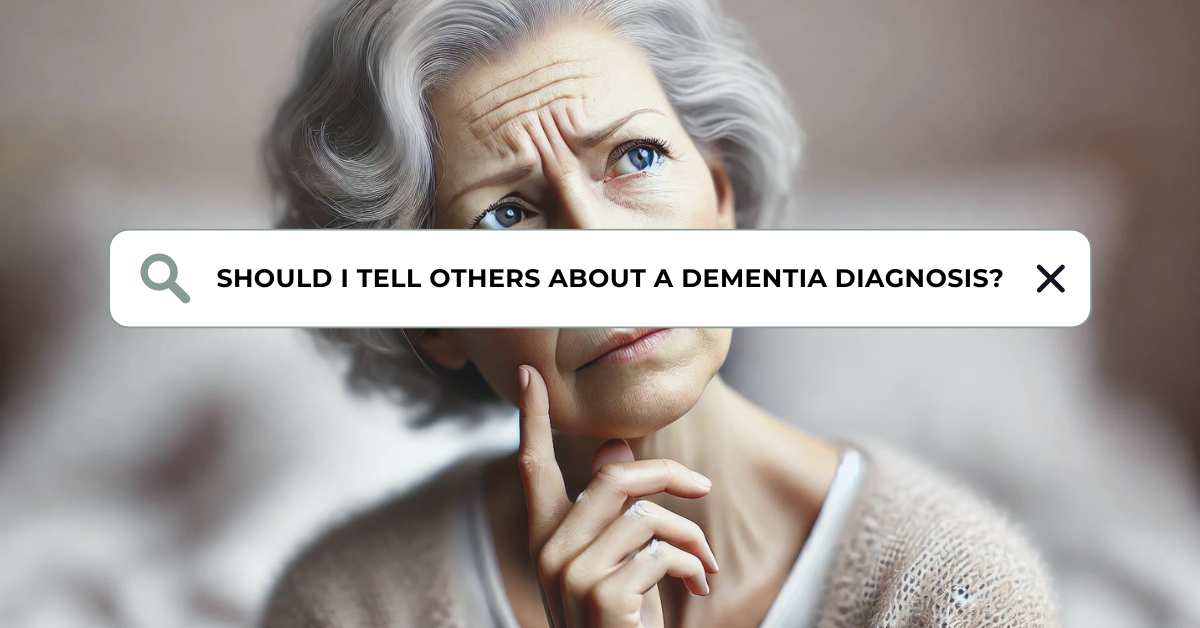
Sharing a Dementia Diagnosis: A Delicate Decision
Understanding the Unique Nature of Each Situation
Pros of Sharing the Diagnosis
Support: Telling others can open doors to much-needed emotional and practical support. Imagine having a network of people who understand and are ready to help. It can make a world of difference.
Understanding: It helps explain changes in behavior or abilities that others might have noticed. Instead of leaving friends and family in the dark, sharing can foster empathy and patience.
Planning: It allows for open discussions about future care and legal arrangements. Being upfront can help in making informed decisions about the future, ensuring that everything is in place when needed.
Reducing Stigma: Being open can help educate others and reduce the stigma around dementia. By sharing your story, you can be a part of changing perceptions and breaking down misconceptions.
Access to Resources: It can connect you with support groups and community services. There are numerous resources available, but you need to know about them to take advantage.
Maintaining Relationships: Honesty can strengthen bonds with friends and family. When people understand what you’re going through, they can offer more meaningful support.
Safety: In some situations, like driving or managing finances, disclosure can prevent potential risks. It’s better to be safe and have others aware of the situation.
Cons of Sharing the Diagnosis
- Stigma: Unfortunately, some people might treat you differently due to misconceptions about dementia. This can be hurtful and isolating.
Loss of Independence: Others might start taking over tasks you can still manage. It’s important to balance help with maintaining independence.
Employment Concerns: If still working, there might be fears about job security or discrimination. This is a legitimate concern that needs careful consideration.
Emotional Burden: It can be emotionally challenging to discuss the diagnosis repeatedly. Reliving the diagnosis can be tough, and it’s okay to protect your emotional well-being.
Privacy: Some people simply prefer to keep health matters private. This is a personal choice and should be respected.
Denial: If someone isn’t ready to accept the diagnosis, sharing might be too difficult. Acceptance takes time, and it’s important to honor that process.
Relationships: There’s a risk that some relationships might change or become strained. Not everyone will react positively, and that’s a reality to prepare for.
Strategies for Sharing
If you decide to share, consider these tips:
- Start with Close Family and Friends: Begin with those who are most likely to be supportive and understanding.
- Be Clear About What You Need from Others: Whether it’s emotional support or practical help, let people know how they can assist.
- Educate Them About Dementia: Providing information can prevent misunderstandings and foster empathy.
- Choose the Right Time and Place for Important Conversations: Ensure that the setting is comfortable and private.
- Consider Having a Trusted Person with You for Support: Having someone by your side can make the conversation easier.
When Not to Share
There might be times when it’s best not to share:
If It Could Jeopardize Your Safety or Well-being: Your safety comes first.
If You’re Not Emotionally Ready: Take your time. Share when you feel prepared.
With People Who Don’t Need to Know and Might Not Be Supportive: Not everyone needs to know, especially if they won’t be supportive.
Personal Perspective
Final Thoughts
Leave A Comment Below
Want to watch the in-depth video that inspired this post?
Click the video below to watch. ↓
Transform Your Caregiving Journey: Join Our Care Collective Today 💖
Are you seeking deeper, more personalized support in your caregiving journey? Discover our Care Collective program, designed exclusively for caregivers like you. By joining, you’ll gain access to weekly support groups, engage in expert-led Q&A sessions, and connect with a vibrant community of caregivers who truly understand the challenges you face. Don’t navigate this path alone—CLICK HERE to learn more and become part of a supportive network dedicated to empowering caregivers with knowledge, compassion, and resources. Join us today and transform your caregiving journey!