
Table of Contents
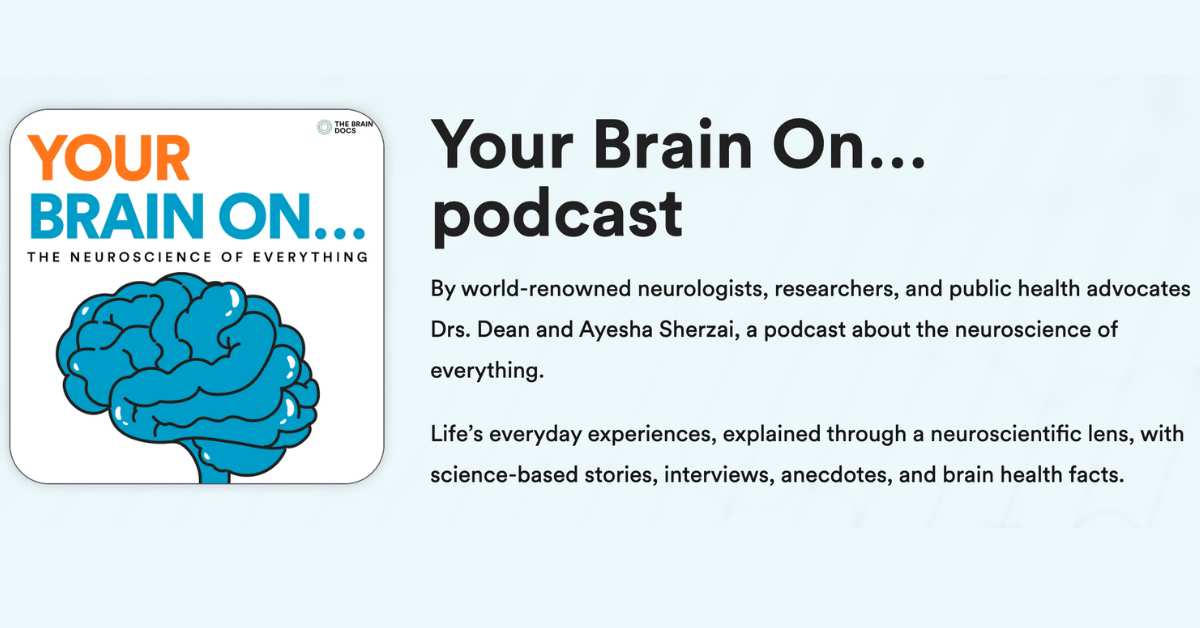
Have you ever heard of Your Brain On? It’s an amazing podcast hosted by Drs. Ayesha and Dean Sherzai, a neurologist husband-and-wife duo who are all about helping people reduce their dementia risk and live healthier lives. They’ve even written two incredible books: The Alzheimer’s Solution and The 30 Day Alzheimer’s Solution.
The Complex Role of Caregiving in Today’s Aging Society
While systemic change at the policy level is necessary to address this issue, there are immediate steps individuals can take today to improve their caregiving journey. In the podcast Your Brain On Caregiving, Drs. Ayesha and Dean Sherzai invited two expert guests — Dr. Natali Edmonds, a geropsychologist and founder of Dementia Careblazers, and Dr. Helen Lavretsky, a geriatric integrative psychiatrist — to explore strategies for caregiving that focus on empathy, understanding, and emotional connection.
The Importance of Empathy in Dementia Care
Rebuilding the Caregiver-Patient Relationship
The Crucial Role of Self-Care in Dementia Caregiving
The numbers are staggering: 50% of caregivers develop depression, particularly those juggling multiple caregiving roles. For caregivers of dementia patients, the risks extend beyond emotional strain. Research shows that caregivers face a higher risk of physical decline, cognitive decline, and even early mortality. It’s not uncommon to see cases where the caregiver dies before the person they are caring for. In fact, elderly daughters caring for their mothers with dementia are especially vulnerable, often passing away before their mothers due to the overwhelming stress of caregiving.
The Alarming Mortality Rate Among Caregivers
Dr. Levretsky also shares a disturbing statistic: caregivers die 60% faster than non-caregivers in an age-matched population. This staggering figure underscores the critical need for policy changes, research, and resources that address the health risks faced by caregivers. While caregiving has long been an undervalued and underfunded area of research, Dr. Lavretsky notes that there has been a recent increase in funding for studies focused on caregiver stress reduction.
The Health Consequences of Caregiving
The stress of caregiving isn’t just emotional or financial — it has a direct impact on the caregiver’s health. According to the CDC, over half of surveyed caregivers reported that their own declining health impaired their ability to care for their loved ones. This decline in health, both physical and emotional, creates a vicious cycle. As caregivers become more depressed, they are less able to manage the challenges of caregiving effectively, particularly if their loved one with dementia displays difficult behaviors.
A robust study found that 53% of caregivers said their health had worsened due to their caregiving role. The domino effect is clear: as a caregiver’s health declines, so too does their ability to provide high-quality care, further exacerbating the stress they already face. Dr. Edmonds emphasizes that caregivers need to shift their focus to themselves, recognizing that their own well-being is tied to the quality of care they provide to their loved ones.
Cognitive Behavioral Therapy (CBT): A Path to Better Caregiving
CBT helps caregivers recognize that every thought they have — about their loved one, their family, and the healthcare system — influences how they approach caregiving. By focusing on reframing negative thoughts, caregivers can reduce the stress and emotional toll of their responsibilities. Improving the caregiver’s well-being directly translates into better outcomes for the person with dementia. Great dementia care, she says, cannot ignore the caregiver. By addressing the caregiver’s needs, both physically and emotionally, we can improve the quality of life for the person with dementia as well.
Embracing the Emotional Complexity of Caregiving
Caregiving is a deeply emotional experience, and it’s unrealistic to expect caregivers to avoid emotional pain altogether. After all, caring for someone you love who is slowly declining is bound to be a painful process. Dr. Edmonds emphasizes the importance of allowing caregivers to experience their emotions — both good and bad — without feeling like something has gone terribly wrong. Emotional pain is a natural part of the human experience, particularly in the context of dementia caregiving.
The Guilt of Self-Care: Reframing It as “Life Care”
One of the biggest barriers to self-care for caregivers is guilt. Many caregivers feel guilty for taking time away from their responsibilities to focus on themselves. Dr. Edmonds reframes self-care as “life care,” emphasizing that caring for oneself isn’t just about the individual — it’s about maintaining the ability to care for others. When caregivers prioritize their health, they become better equipped to provide care for their loved ones and support their families.
Self-care doesn’t need to be a massive commitment. It can be something as simple as starting with chair yoga or a short walk. There are countless resources, from YouTube videos to community programs, that can help caregivers incorporate physical activity into their lives. Even caregivers who are looking after loved ones with physical limitations can find ways to be more active, whether that means pushing a loved one in a wheelchair on a walk or finding a neighbor to help for an hour so they can exercise. Exercise is particularly important for dementia caregivers, many of whom fear developing dementia themselves. Physical activity is one of the best ways to lower the risk of cognitive decline.
The Health Effects of Caregiver Stress: The Role of Inflammation and Sleep
Caregiving doesn’t just take an emotional toll — it can have severe physical consequences as well. Chronic stress, which is all too common for caregivers, affects everything from the autonomic nervous system to the hormonal and neuroendocrine systems. Dr. Helen Lavretsky explains that chronic stress leads to inflammation, which is the root cause of many disorders associated with aging, including Alzheimer’s disease, heart disease, diabetes, and cancer.
Improving Sleep Hygiene for Caregivers
Effective Communication: Bridging the Gap Between Caregivers and Family
Building a Community of Support
One of the most common challenges caregivers face is a profound sense of isolation. More than 70% of caregivers report feeling alone in their caregiving journey. However, as Dr. Edmonds explains, community is a crucial element of caregiving, offering both emotional and practical support. She shares that some members of her Careblazers community continue to participate even after their loved one has passed because of the strong connections they’ve built with other caregivers.
The Power of Community-Driven Care
Self-Compassion: Forgiving Yourself for Imperfections
Applying the NEURO Approach to Caregiving
The Sherzais have developed the NEURO method, an approach to brain health that stands for Nutrition, Exercise, Unwind, Restore, and Optimize. Caregivers can apply this framework to both themselves and their loved ones. Taking time to focus on these core aspects of health can have a profound impact on the caregiving journey.
The Road Ahead: Facing Challenges with Empathy and Support
Additional Resources for Caregivers
Dementia Careblazers YouTube channel offers weekly videos addressing a wide range of challenges and questions caregivers face. For those looking for more in-depth support, The Care Collective program includes access to dementia experts, elder law attorneys, and other professionals who can answer specific questions and provide insights on the broader challenges of caregiving. While it’s not a replacement for healthcare, it offers a unique sense of community where caregivers can find the support they need beyond generalized information.
Transform Your Caregiving Journey: Join Our Care Collective Today 💖
Are you seeking deeper, more personalized support in your caregiving journey? Discover our Care Collective program, designed exclusively for caregivers like you. By joining, you’ll gain access to weekly support groups, engage in expert-led Q&A sessions, and connect with a vibrant community of caregivers who truly understand the challenges you face. Don’t navigate this path alone—CLICK HERE to learn more and become part of a supportive network dedicated to empowering caregivers with knowledge, compassion, and resources. Join us today and transform your caregiving journey!