
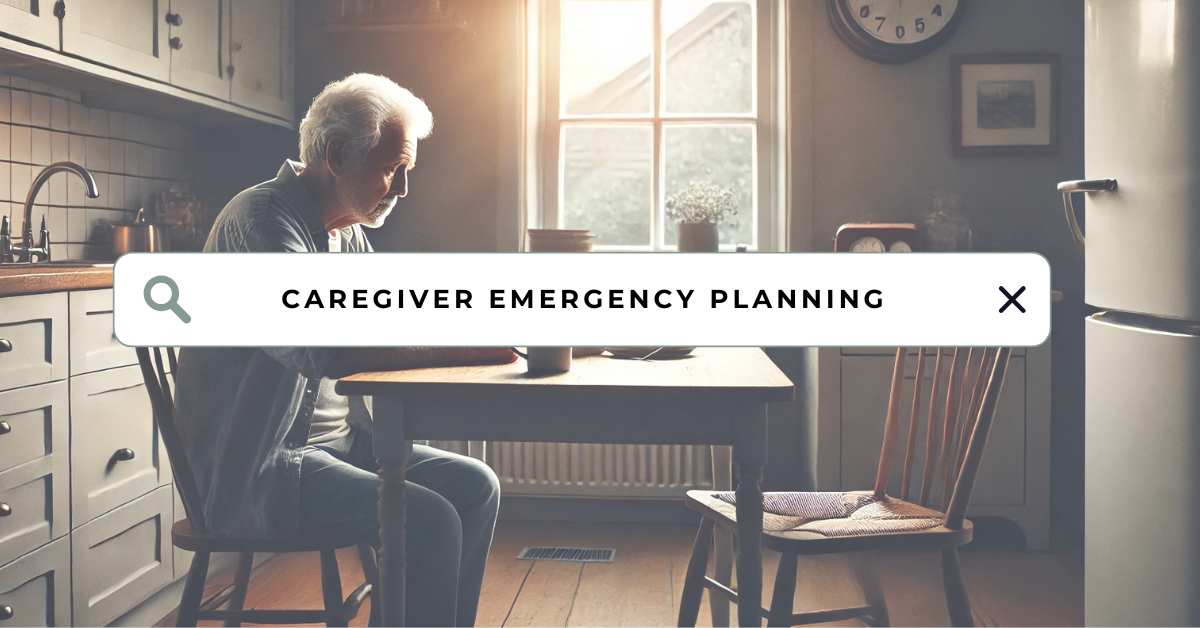
What if you found out that legendary Hollywood actor Gene Hackman, who’s now living with advanced Alzheimer’s, was left alone for six days—completely unaware that his wife had passed away on the floor of their home?
It sounds like something out of a tragic movie, but it’s painfully real. And as heartbreaking as it is, this story holds two critical lessons every dementia caregiver needs to hear—because what happened to Gene Hackman’s wife could happen to any of us.
This blog isn’t about a celebrity. It’s about you and your loved ones—and how a simple backup plan can prevent a crisis like this from ever happening again.
The Story That Shocked Caregivers Everywhere
Let’s talk about what actually happened.
Gene Hackman, a beloved Oscar-winning actor, is reportedly living with advanced Alzheimer’s disease. When his wife unexpectedly passed away at home, he was completely unaware—or unable—to respond. She lay dead on the floor for six days before anyone found her. Meanwhile, Gene was left alone in the house, possibly disoriented, hungry, and without anyone checking in.
Six days. No one noticed. No neighbor popped by. No friend called. No daily check-in system. That’s where this all went wrong.
The emotional weight of this situation is heavy—but it’s also a wake-up call for anyone caring for someone with dementia, or living alone themselves.
Lesson #1: Caregivers Aren’t Guaranteed Tomorrow
We often assume that the person living with dementia will pass before their caregiver. It’s an unspoken belief many of us carry—but it’s simply not true.
Gene Hackman’s wife was reportedly 30 years younger than him. Healthier. More active. Yet, she died unexpectedly, before him.
This is the first critical lesson:
Caregivers aren’t invincible.
If something unexpected happened to you tomorrow, what would happen to your loved one with dementia?
Would someone check in on them? Would they have access to food, medication, help? Or would they be completely alone, like Gene was?
As caregivers, we pour our hearts into looking after someone else. But too often, we forget to look after ourselves. Our health, our safety, our backup plans—they matter just as much as theirs.
The myth that caregivers will always outlive their loved ones
It’s comforting to believe we’ll always be there for the person we love. But reality doesn’t always match our plans.
Caregiver burnout, stress-related illness, or sudden health events (like strokes or heart attacks) can strike without warning. Studies show that caregivers are more likely to suffer from chronic health issues, and even premature death.
That’s why we have to prepare—not from fear, but from love.
Lesson #2: Why Every Caregiver Needs a Backup Plan
Let’s go back to the story. Gene Hackman was left wandering the house for almost a week. Reports indicated he hadn’t eaten recently. It’s unknown whether he even understood what happened.
What’s clear is this: he had no emergency safety net.
And that brings us to Lesson #2:
Every caregiver and every person living alone needs an emergency backup plan.
It doesn’t have to be complicated. But it does need to exist—because social isolation is dangerous. For people with dementia, it can become fatal.
How to Build a Simple Daily Check-In System
You don’t need fancy tech. You just need one reliable person and a commitment.
Here’s how to do it:
Step 1: Choose your check-in partner
A family member, friend, neighbor, coworker—it doesn’t matter who
They can live next door or across the globe
Step 2: Establish your daily signal
A quick “thumbs up” emoji
A text message
A one-minute phone call
Even a voice note or email
Step 3: Set the 24-hour rule
If they don’t hear from you within 24 hours, your check-in partner:
Tries reaching out
Calls your emergency contact
Requests a wellness check from local authorities if needed
That’s it. A simple, low-effort plan that could literally save a life.
The 24-hour communication rule
This rule isn’t about being dramatic—it’s about being proactive.
Even something as small as forgetting to text can trigger a caring response. And if you’re really in trouble, your person knows to take action fast.
Who should be your daily check-in partner?
Someone dependable
Someone you trust
Ideally, someone who knows your health needs or has access to your emergency contact info
They don’t need to live nearby—but it’s helpful if they have a plan for what to do if you don’t respond.
When to call in a welfare check
If no one hears from you—and backup contacts can’t reach you—your check-in partner can call your local police department’s non-emergency line and request a wellness check.
Authorities can legally enter your home to make sure you’re okay.
Many caregivers don’t even know this is an option—but it’s one of the fastest, safest ways to intervene if something goes wrong.
This Isn’t About Gene Hackman. It’s About You.
This story may have started with a Hollywood name, but the lesson is personal.
It’s about you.
Your family.
Your safety.
Your loved one with dementia.
You might already have a daily caregiving routine—but do you have a backup plan if something happens to you?
If not, that changes today.
Take Action Today: Protect Yourself and Your Loved One
Here’s your challenge:
Before the end of the day, set up a daily check-in system with someone you trust.
Pick your person
Choose your daily signal
Talk through the “what ifs”
Write it down or text it to each other so it’s official
If you already have a system in place—amazing. You’re ahead of the game. Share it with others. If you don’t, now is the perfect time to start.
You can even copy and paste this message to get the conversation going:
“Hey! I’m putting a simple daily check-in plan in place to keep both me and my loved one safe. Can I send you a quick thumbs up each day to confirm all’s good—and if you don’t hear from me, check in? Would mean the world.”
Final Thoughts (And a Free Resource Just for You)
Gene Hackman’s story is a tragedy. But what makes it worse is that it was preventable.
As caregivers, we fight every day to keep our loved ones safe, fed, and loved. Let’s do something just as powerful to protect ourselves.
Because we matter too.
And if you want more support like this, don’t forget to sign up for my free Dementia Dose Newsletter by clicking here. Get behavior tips, caregiver support, and the latest in dementia research—delivered to your inbox weekly.
Want to watch the in-depth video that inspired this post?
Click the video below to watch. ↓
You’re Not Alone (And You Don’t Have to Figure This Out Alone)
One of the most powerful things you can do as a caregiver is ask for help, support, and perspective. Inside my Care Collective, we dive into these kinds of challenges every single week. You’ll get real-time guidance, hear from other caregivers, and work through these difficult moments together with expert support.
You don’t have to guess anymore. You don’t have to feel stuck. You don’t have to do it alone.
Join the Care Collective today and take the next step in making dementia caregiving easier.