
Why Women Are at a Higher Risk of Developing Dementia: Uncovering the Truth
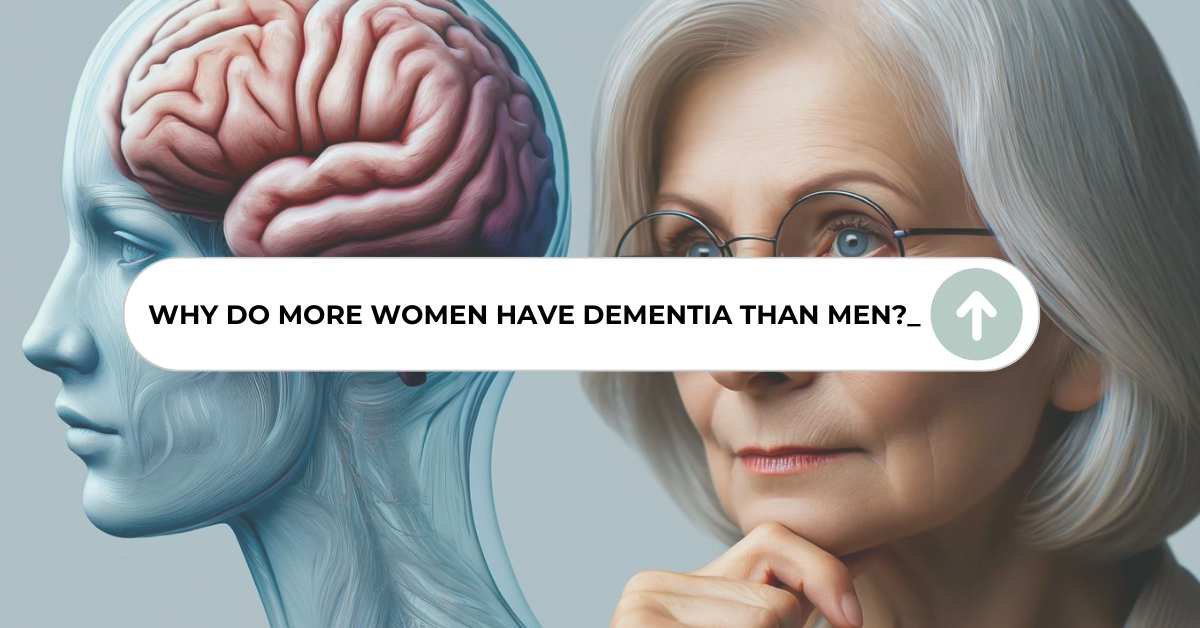
Did you ever wonder why more women seem to get dementia than men? It’s a curious fact that about two-thirds of people with dementia in the U.S. are women. But why is this happening? Let’s dive into this important topic and discover five key reasons that researchers are looking into. From the roles of age and genes to the impact of our lifestyle, we’ll explore what might be making women more vulnerable to dementia. So, get ready to join me on this journey of exploration and understanding.
1. The Longevity Factor
One of the key reasons women are at a higher risk of developing dementia is their longer lifespan. This might sound like a simple equation: the longer you live, the higher your chances of developing age-related conditions like dementia. But let’s delve a bit deeper into this longevity factor.
The Age-Dementia Link
Age is the most significant risk factor for dementia, with the risk doubling every five years after the age of 65. Since women, on average, live longer than men, they have a greater window of time during which they could develop dementia. In the United States, the average life expectancy for women is about five years longer than for men. This extended lifespan means that a larger proportion of women reach an age where the risk of dementia is more pronounced.
2. Genetics and the APOE4 Gene
Next, let’s talk genetics. Have you heard of the APOE4 gene? It’s a gene that’s well-known for its connection to Alzheimer’s disease. What’s fascinating is that women who have this gene are more likely to get Alzheimer’s than men with the same gene. But why is that? It’s a puzzle that scientists are still trying to solve. Some believe it might have to do with hormones and how they affect women differently than men. So, while we may not have all the answers yet, understanding the role of genetics is a crucial piece of the puzzle in figuring out why more women are at risk for dementia. Which brings us to our next reason…
3. Hormonal Changes and Menopause: The Estrogen Connection To Dementia
When we talk about hormones, we can’t overlook the impact of menopause. This phase in a woman’s life brings about a significant drop in estrogen levels. Now, you might wonder, why does this matter? Well, estrogen isn’t just any hormone; it’s known to have protective effects on the brain. So, when estrogen levels fall during menopause, it could potentially leave the brain more vulnerable to Alzheimer’s disease. But that’s not all – this hormonal shift can also affect mood, sleep, and overall brain function, all of which are important for maintaining cognitive health. Researchers are actively exploring this intricate relationship to better understand how these hormonal changes contribute to the increased risk of dementia in women. It’s a fascinating area of study that promises to shed more light on the connections between hormones and brain health.
4. Heart Health Matters
Moving on to our fourth reason, let’s discuss heart health. While heart health is crucial for everyone, women face unique challenges post-menopause. For starters, their risk of developing high blood pressure goes up. High blood pressure isn’t just a problem for the heart; it’s also a known risk factor for dementia. But there’s more – women with diabetes are at a higher risk of facing heart-related issues than men with the same condition. And then there’s the matter of cholesterol. After menopause, women’s cholesterol levels tend to shift in a way that’s not so great for brain health, with an increase in the ‘bad’ cholesterol and a decrease in the ‘good’ cholesterol. All of these factors combined make heart health a critical area to focus on for women who want to keep their brains sharp and reduce their risk of dementia.
5. Social and Lifestyle Factors
Finally, let’s look at how social and lifestyle factors can affect the risk of dementia. Women, in particular, might face more challenges with anxiety, depression, and feeling lonely, all of which can harm brain health and increase the chances of getting dementia. Also, women often take on the role of primary caregivers, which can be tough and lead to more stress, anxiety, and problems sleeping. These issues can make the risk of dementia even higher. While research hasn’t directly linked the role of caregiving in women to dementia, it makes sense to think that it could play a part in why women are more likely to develop dementia.
Dive Deeper into Brain Health and Dementia Research
Intrigued by what you’ve heard? I’ve gathered a collection of articles and resources that inspired this article and linked them below. If you’re curious to explore the research and delve into the details, feel free to check them out.
- Alzheimer’s Disease Facts and Figures
- Understanding the impact of sex and gender in Alzheimer’s disease: A call to action
- Age at surgical menopause influences cognitive decline and Alzheimer pathology in older women
- Clinical epidemiology of Alzheimer’s disease: assessing sex and gender differences
- Sex modifies the APOE-related risk of developing Alzheimer disease
- Considering sex and gender in Alzheimer disease and other dementias. Dialogues in Clinical Neuroscience, 18(4), 437.
Remember, taking care of our brain health is crucial, regardless of whether you’re a man or a woman. It’s essential to do everything we can to keep our brains in tip-top shape.
If you have any questions or suggestions for future topics you’d like to see covered, drop a comment below. I’d love to hear from you!
Join Our Supportive Caregiver Community
If you’re looking for support, ideas, and strategies to navigate the caregiving journey, consider joining our Care Collective. It’s a wonderful community where we come together every week to make the caregiving journey as easy and joyful as possible. You can learn more by clicking here.
Want to watch the in-depth video that inspired this post?
Click the video below to watch. ↓