
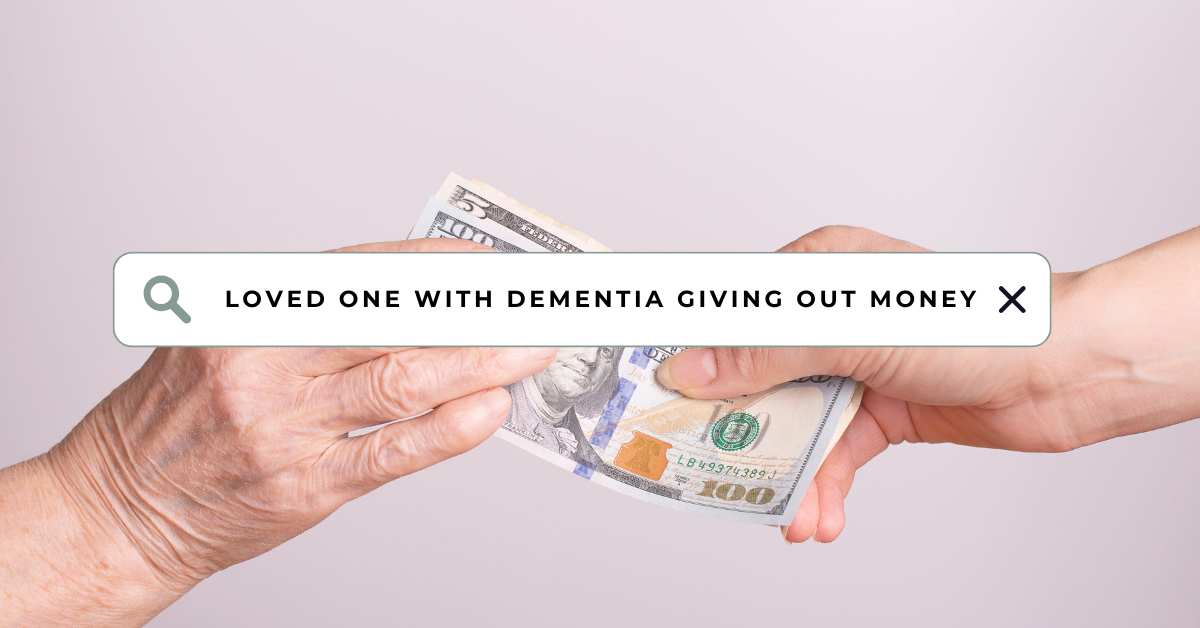
What is Unexplained Generosity?
Careblazer, did you know that a sudden urge to give away money might actually be an early sign of dementia? What may seem like generosity can, in reality, put your loved one’s finances—and yours—at risk. If you’ve noticed unusual donation patterns, excessive giving, or impulsive financial decisions, it might be time to take a closer look.
Signs of Unexplained Generosity in Dementia
Unexplained generosity refers to sudden, unexpected, or out-of-character giving. Your loved one might:
Donate to charities they’ve never supported before.
Give large sums of money to strangers or casual acquaintances.
Write multiple checks to the same organization in a short period of time.
Overpay for small favors or services, sometimes by hundreds of dollars.
It’s not that giving itself is the problem—it’s the pattern of giving. When generosity appears suddenly or starts escalating, it could indicate that cognitive changes are happening, specifically in the areas of the brain responsible for judgment and impulse control.
Why Dementia Causes Poor Financial Decisions
We often hear about people with dementia falling victim to scams, but why is this so common? The answer lies in the brain.
Many dementias, including Alzheimer’s, impact a part of the brain called the prefrontal cortex. This area controls decision-making, impulse control, and financial reasoning. When it starts to decline, people may:
Overestimate their financial resources.
Struggle to recognize scams or manipulative tactics.
Experience heightened emotions, such as guilt or overwhelming empathy, leading to impulsive generosity.
Real-Life Example: My Dad’s Experience
For my dad, one of the first signs that something was wrong was his excessive giving. When I checked his mail, I found donation requests piling up. One organization in particular kept sending him letters, and he kept sending them money—even though he didn’t have the financial means to do so.
Another time, I noticed that every time someone ran an errand or did a small favor for him, he felt the need to pay them. But it wasn’t a simple ‘thank you’ tip—it was large amounts of money. People started taking advantage of his generosity, coming around more frequently, hoping to get paid for minor tasks.
Sound familiar? If so, you’re not alone. Many caregivers face this exact situation, and recognizing the early signs can help prevent serious financial harm.
How to Protect Your Loved One from Financial Exploitation
1. Monitor Their Financial Activity
One of the first steps is to keep an eye on bank statements. If you have access to their online banking, check for unusual transactions or recurring donations to unfamiliar charities.
2. Have an Open Conversation
If you notice an increase in generosity, ask them:
“What made you donate to this organization?”
“How did you choose this charity?”
This can give insight into whether their giving is intentional or a sign of cognitive decline.
3. Set Up Financial Safeguards
Enable alerts for large transactions on their bank accounts.
Set daily or weekly spending limits on debit or credit cards.
Consider direct deposit for Social Security or pension checks to avoid excessive cash withdrawals.
4. Get a Financial Power of Attorney
A financial power of attorney allows a trusted person to help manage finances if your loved one becomes unable to do so. The earlier you set this up, the better.
5. Talk to a Doctor
If you suspect cognitive decline, schedule an appointment with their physician. Early detection of dementia can help you put protective measures in place before major financial issues arise.
6. Consult an Elder Law Attorney
An elder law attorney can guide you on legal ways to protect your loved one’s assets, ensuring they’re not exploited by scams or manipulation.
Key Takeaways
Unexplained generosity isn’t just about giving—it can be an early warning sign of dementia.
The prefrontal cortex, responsible for judgment and impulse control, is often affected in dementia, leading to financial vulnerability.
Monitoring financial activity, setting up safeguards, and having open conversations can help prevent financial exploitation.
Legal and medical professionals can help protect your loved one’s finances and ensure their long-term well-being.
Get the Support You Need
Navigating dementia caregiving is tough, but you don’t have to do it alone. In The Care Collective, our signature program, we come together every week to offer support, education, and practical strategies to help you through this journey.
And if you haven’t already, download the free Dementia Careblazers Survival Guide for my top tips on managing this caregiving experience.
Final Thought
Careblazer, your loved one’s generosity isn’t the issue—it’s the sudden and excessive giving that should raise a red flag. By staying vigilant and taking proactive steps, you can protect their financial well-being and provide the care they truly need.
Has your loved one’s giving habits changed recently? Share your experience in the comments below—I’d love to hear from you!
Want to watch the in-depth video that inspired this post?
Click the video below to watch. ↓