
5 Surprising Symptoms of Dementia Uncovered
Welcome back to our series, Surprising Symptoms of Dementia. Today, we’re exploring five symptoms that are more common than you might expect but often fly under the radar. The fifth one, in particular, is a real eye-opener that causes a great deal of frustration for caregivers. Have you ever encountered any of these symptoms in your loved one with dementia or anyone else with the condition? Join me as we shed light on these hidden symptoms of dementia and provide support for those navigating this challenging journey. Let’s dive in!
1. Hiding Things
People with dementia may hide things to keep them safe, like their wallet or purse, but then forget where they hid them. Individuals with the condition may feel compelled to conceal items for various reasons, leading to frustration and confusion for both the person with dementia and their caregivers.
One primary reason for this behavior is the desire for security. People with dementia may feel vulnerable and believe that their possessions are at risk of being stolen. As a result, they might hide important items like wallets, purses, or keys in what they perceive to be safe places. However, due to memory impairments, they often forget where they’ve hidden these items, leading to distress and a reinforced belief that their belongings are being taken.
Another reason for hiding things could be embarrassment, such as hiding soiled clothing after an accident. For example, individuals who experience incontinence may hide soiled clothing or linens to avoid feelings of shame or humiliation. This action is a coping mechanism to deal with the stigma associated with such accidents. Unfortunately, this can lead to hygiene issues and added stress for caregivers who need to locate and clean the hidden items.
2. Foul Language
The sudden use of foul language in someone with dementia can be one of the most surprising and difficult symptoms for families and caregivers to cope with. This behavior is often a result of the disease’s impact on the brain’s executive functions, which include the ability to control impulses and behave in socially appropriate ways.
As dementia progresses, the neural pathways responsible for filtering thoughts and moderating language can become damaged. This can lead to a loss of inhibition, resulting in the person saying whatever comes to mind, regardless of the social context. For individuals who may have never used swear words in their life, this change can be particularly shocking for their loved ones.
The use of inappropriate language can occur in various settings, from casual conversations at home to public places like churches or social gatherings. It can create uncomfortable and embarrassing situations for both the person with dementia and those around them.
3. Hypersexual Behaviors
This is a tough one for many caregivers. Hypersexual behaviors in individuals with dementia are among the most challenging and sensitive symptoms for caregivers to manage. These behaviors can range from increased sexual remarks and innuendos to more overt actions like fondling themselves in public or inappropriate touching.
The root of these behaviors often lies in the damage dementia causes to the brain’s frontal lobes, which are responsible for judgment, impulse control, and social behavior. As these areas deteriorate, the individual may lose the ability to recognize social boundaries and norms, leading to sexual expressions at inappropriate times or places.
For spouses and family caregivers, witnessing these behaviors can be particularly distressing. It’s not uncommon for a spouse to feel a mix of sadness, embarrassment, and even resentment as they grapple with the drastic changes in their partner’s behavior. In cases where the person with dementia does not recognize their spouse or family member and makes sexual advances towards them, the emotional toll can be even greater. It’s important to understand that these behaviors are a symptom of the disease and not a reflection of the person’s character.
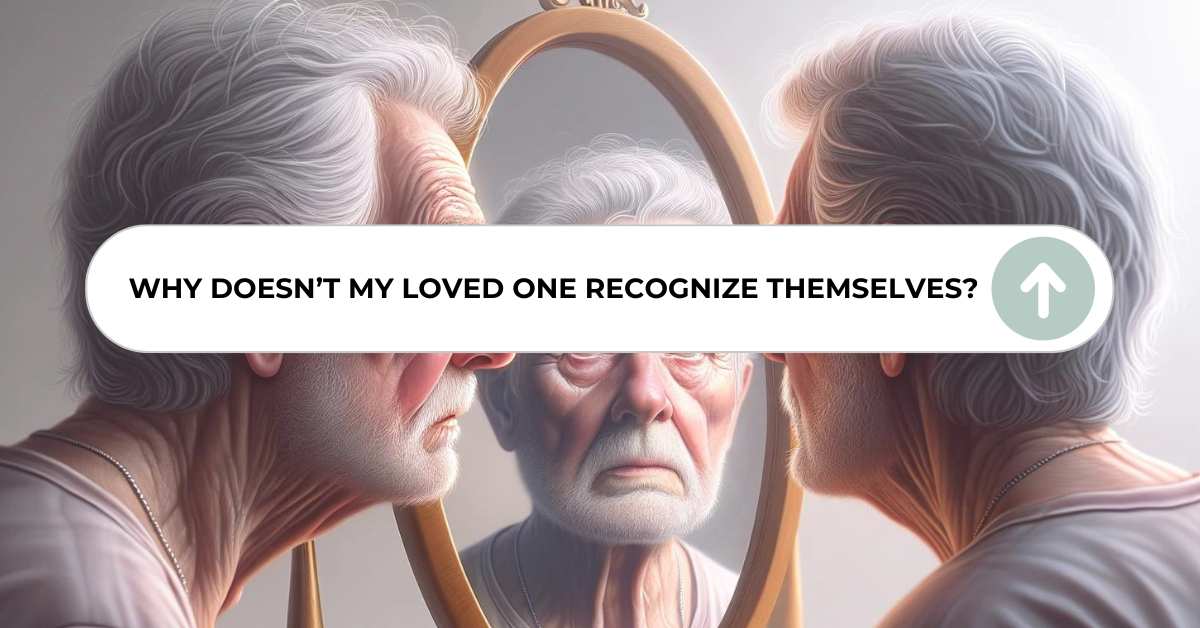
4. Misidentification of Reflections
Misidentification of reflections is a fascinating yet distressing symptom of dementia that often goes unnoticed. Imagine looking into a mirror and seeing a stranger staring back at you. For someone with dementia, this is a terrifying reality. Their brain can no longer process the reflection as their own image, leading to fear, anxiety, and even aggression towards the perceived intruder in their home.
In some cases, the person with dementia might see their reflection as a friendly face, an old friend, or a family member. They may start a conversation with their reflection, often getting confused or upset when the “person” in the mirror doesn’t respond.
This symptom is not just limited to mirrors; it can occur with any reflective surface, including windows, glass doors, or shiny objects. Caregivers might find their loved ones talking to their reflection in a window or getting startled by their image in a glass door. It’s a stark reminder of the complex ways dementia affects the brain and perception.
5. Difficulty Using Everyday Objects (Apraxia)
This is a big one for caregivers. People with dementia might struggle with tasks they used to do with ease, like opening a car door or using a remote control. It’s known as apraxia, and it can be incredibly frustrating for both the individual and their caregivers.
Apraxia is the inability to perform tasks or movements when asked, despite having the desire and physical ability to do them. It’s not due to a lack of understanding or motor weakness but rather a disruption in the brain’s ability to plan and execute movements.
For example, my mom struggled to open the car door from the inside. She would press all the buttons, feel the handle, and put her hand over it, but she just couldn’t figure out how to pull the handle to open the door. This difficulty can extend to using a remote control, operating a telephone, or even brushing teeth. Caregivers might find themselves perplexed, knowing that their loved one has the capability to perform these actions, yet they’re unable to do so in certain situations.
Wrapping Up
We’ve explored five lesser-known symptoms that present unique challenges in dementia care. From the distressing behavior of hiding belongings to the shock of unexpected foul language, each symptom provides insight into the complex ways dementia can manifest. Navigating these symptoms requires patience, understanding, and a deep grasp of how dementia affects both the mind and body. By continuing to share and explore our experiences, we foster a supportive community that empowers caregivers and enriches the lives of those impacted by dementia.
Have you observed any of these surprising symptoms? Your insights and experiences are invaluable—share your thoughts and join the conversation below.
Want to watch the in-depth video that inspired this post?
Click the video below to watch. ↓
Transform Your Caregiving Journey: Join Our Care Collective Today 💖
Are you seeking deeper, more personalized support in your caregiving journey? Discover our Care Collective program, designed exclusively for caregivers like you. By joining, you’ll gain access to weekly support groups, engage in expert-led Q&A sessions, and connect with a vibrant community of caregivers who truly understand the challenges you face. Don’t navigate this path alone—CLICK HERE to learn more and become part of a supportive network dedicated to empowering caregivers with knowledge, compassion, and resources. Join us today and transform your caregiving journey!