
Understanding This Shocking Dementia Symptom
Have you ever witnessed someone with dementia interacting unpredictably with everyday items, turning mundane objects into potential hazards? This startling symptom, known as Utilization Behavior, is one of the lesser-known yet profound challenges faced by individuals with dementia. It can lead to dangerous situations and create awkward public encounters. In this article, we delve into what Utilization Behavior is, why it happens, and how it can affect daily life.
What is Utilization Behavior?
Utilization Behavior, also known as magnetic apraxia, imitation behavior, or compulsive utilization behavior, is a lesser-known but significant symptom of dementia. This condition causes individuals to automatically and compulsively use any object within reach, regardless of whether it’s appropriate for the situation. In essence, the person affected cannot stop themselves from acting when they see an object.
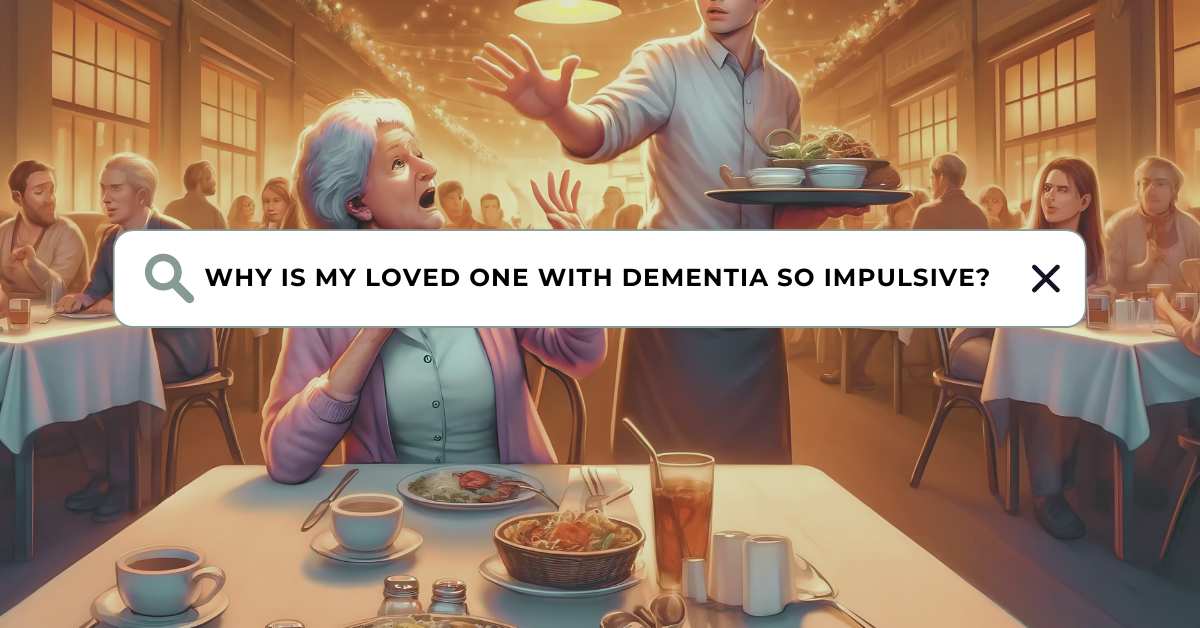
For most people, controlling our impulses is a natural process. For example, if an attractive person walks by, you wouldn’t just hug them without permission, right? Similarly, if you’re at a restaurant and see a waiter delivering a delicious-looking meal to another table, you wouldn’t think to grab a bite—it’s not yours to take. This ability to control what we do in social settings is exactly what is impaired in individuals experiencing Utilization Behavior.
Understanding the Neurological Causes of Utilization Behavior in Dementia
Utilization Behavior often stems from damage to the frontal lobes of the brain. These lobes are a crucial area located at the front part of the brain, and they are responsible for helping us control actions that might be considered inappropriate or out of place. They also help us follow social rules and norms. When these lobes are damaged, it can be difficult for a person to manage their impulses effectively, leading to behaviors that are unexpected or inappropriate. This type of challenge with impulse control is commonly seen in many forms of dementia.
Real-Life Impact of Utilization Behavior
Imagine someone with dementia experiencing a strong, irresistible urge to interact with objects around them—this impulse is much like the force of a magnet pulling them in. This is why specialists also refer to utilization behavior as magnetic apraxia. For instance, instead of using a fork to eat, a person might start combing their hair with it. Or, they might take a fork from someone else’s table at a restaurant and start eating with it, not realizing this isn’t socially acceptable.
These actions can be a little embarrassing or even make social situations awkward. But the risks can become serious in different settings. For example, if this person is in a hardware store, they might try to use heavy tools like chainsaws or drills without knowing how to handle them safely—or even what they are. This could be very dangerous for both the individual and others nearby.
Another dangerous situation involves medications. If a person with dementia sees pills on a counter, they might take them without thinking about whether they are for them or how many they should take.
Strategies for Managing Utilization Behavior
So, what can you do if you suspect your loved one is displaying signs of Utilization Behavior? The key lies in two critical approaches: Environmental Control and Supervision and Monitoring. Additionally, it’s crucial to inform your loved one’s doctor if you notice these behaviors, ensuring professional guidance and appropriate medical intervention.
Environmental Control:
Modify the living space to minimize risks. This involves removing or securing potentially dangerous items such as medications, sharp objects, or hazardous substances. Ensuring that these items are out of reach or locked up can significantly reduce the risk of misuse.
Supervision and Monitoring:
Keeping a close eye on the individual is crucial, especially in environments that pose higher risks, such as kitchens or workshops. Continuous supervision by a caregiver or family member can help prevent unsafe interactions with objects and surroundings.
Wrapping Up: Share Your Experiences with Utilization Behavior in Dementia
As we navigate the complexities of caring for loved ones with dementia, understanding symptoms like Utilization Behavior becomes crucial. Not only does it equip us with the knowledge to manage potential risks, but it also fosters a deeper empathy for the challenges faced by those affected.
Are you a caregiver who has encountered such behaviors? How have you managed these challenges, and what strategies worked best for you? Share your experiences in the comments below to help build a supportive community of care. Together, we can continue to learn, adapt, and provide the best care for our loved ones with dementia. Remember, you are not alone in this journey—resources and support are just a click away.
Transform Your Caregiving Experience with the Care Course!
Did you enjoy this post and are looking for more in-depth support? Discover the Care Course, created for caregivers like you seeking personalized guidance. Join our community for live Q&A sessions with me, Dr. Natali, and get any of your caregiving questions answered, plus weekly support groups, and connect with fellow caregivers in our private member area 24/7. Step into a space where strength, support, and shared experiences flourish. You can learn more by clicking here.
Want to watch the in-depth video that inspired this post?
Click the video below to watch. ↓