
Could Your Loved One Have More Than One Type of Dementia?
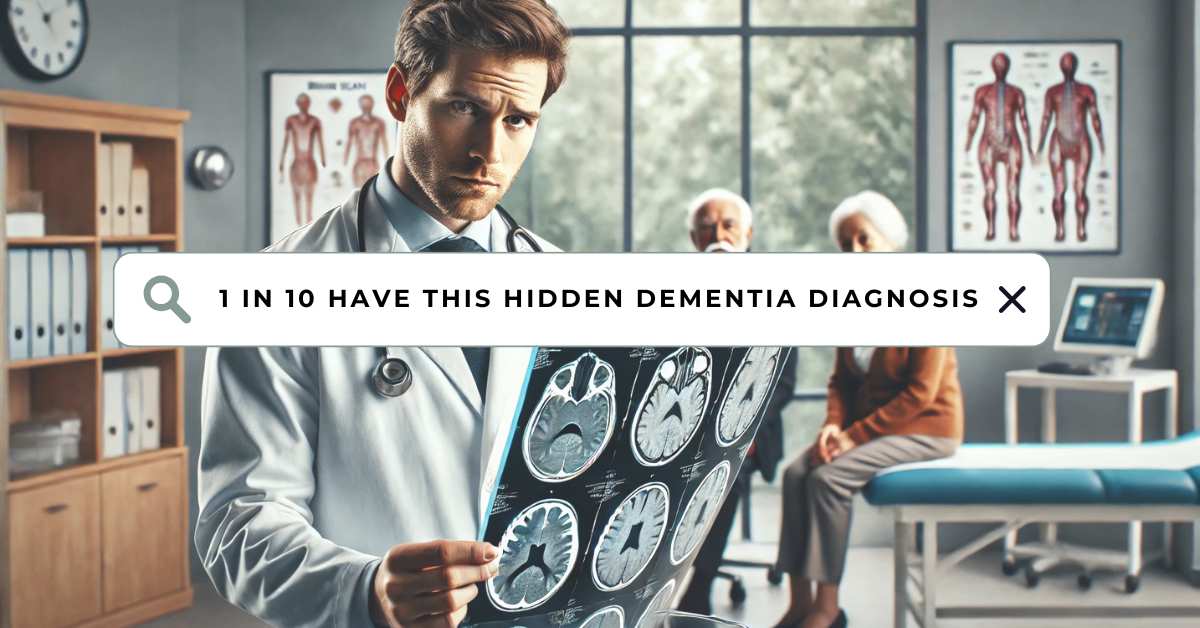
Many caregivers assume that when their loved one is diagnosed with dementia, it means they have one specific type. But what if that’s not the whole story? What if their symptoms are caused by more than one form of dementia at the same time? This is called mixed dementia, and it’s far more common than many people realize. In fact, research suggests that 1 in 10 dementia patients are actually living with mixed dementia, but it often goes undetected and undiagnosed.
Understanding Mixed Dementia: More Than Just One Disease
To understand mixed dementia, we first need to break down what dementia actually is. Dementia isn’t a single disease—it’s an umbrella term that covers multiple conditions affecting memory, thinking, and daily functioning. You may have heard of Alzheimer’s disease, vascular dementia, Lewy body dementia, and frontotemporal dementia—these are all distinct types of dementia.
Mixed dementia occurs when a person has two or more types of dementia simultaneously. The most common combination is Alzheimer’s disease and vascular dementia, but other combinations can occur as well.
So, why is mixed dementia so underdiagnosed? The answer lies in the complexity of dementia symptoms and the limitations of current diagnostic tools.
Why Diagnosing Mixed Dementia is So Difficult
Doctors often diagnose people with a single type of dementia because, right now, there’s no single test—like a blood test or brain scan—that can definitively pinpoint which type of dementia a person has. Instead, dementia diagnosis relies on a combination of:
Medical history
Cognitive and neurological tests
Brain scans (MRI, CT scans, PET scans)
Symptom progression over time
Many people receive an initial diagnosis of one type of dementia—most commonly Alzheimer’s disease. However, as their symptoms change and progress, doctors may later recognize additional patterns and conclude that the person actually has mixed dementia. In other cases, mixed dementia is only discovered after death through an autopsy, which shows multiple types of dementia-related brain changes occurring together.
Symptoms of Mixed Dementia: What to Look For
The challenge with mixed dementia is that its symptoms can be more severe and progress differently than a single dementia type. Here are some signs that could indicate mixed dementia:
Memory loss that seems worse than expected for one dementia type
Sudden changes in behavior or personality
Difficulties with movement and coordination (often linked to vascular dementia)
Frequent mood swings, anxiety, or depression
Unexplained fluctuations in cognitive ability—good days and bad days
These symptoms can make caregiving even more challenging because treatment and care plans designed for one dementia type might not fully address the complexities of mixed dementia.
Does Knowing the Dementia Type Change Treatment?
You might be wondering: If dementia is progressive and there’s no cure, does it even matter if we get a precise diagnosis?
Yes, it does. While there is no treatment that can stop dementia, identifying which types are present can help in several ways:
More effective symptom management – Certain medications work better for specific types of dementia.
Understanding progression – Knowing the combination of dementias can help predict how symptoms might evolve.
Excluding other causes – Not all cognitive decline is dementia. Some treatable conditions can mimic dementia symptoms.
Better care planning – If a loved one has both Alzheimer’s and vascular dementia, caregivers can prepare for potential mobility challenges and cognitive fluctuations.
How a Dementia Diagnosis Affects Caregivers
For many caregivers, having an accurate dementia diagnosis helps them feel more prepared for what’s ahead. Dementia doesn’t progress in a straight line, and different types of dementia affect people in unique ways. Understanding whether mixed dementia is at play can set realistic expectations and allow caregivers to develop better strategies for providing care.
If you’ve received a dementia diagnosis for your loved one, have you ever wondered whether mixed dementia could be a factor? If so, consider discussing this possibility with their doctor, especially if their symptoms don’t fully align with one single type of dementia.
Final Thoughts
Mixed dementia is often overlooked, but it’s more common than you think. Understanding the possibility of multiple dementia types can help ensure better care and symptom management. Keep asking questions, seeking answers, and, most importantly, taking care of yourself on this journey.
Want to watch the in-depth video that inspired this post?
Click the video below to watch. ↓
Tired of Waiting Months for a Doctor’s Appointment Only to Get Rushed Answers?
If you’re struggling with navigating a dementia diagnosis or feel frustrated with long wait times and short doctor visits, you’re not alone. Many caregivers find themselves without the guidance and support they truly need. That’s why we created the Care Collective program—a place where you get weekly live Q&A sessions, support groups, and access to a 24/7 caregiver support community.
Instead of waiting for another appointment, get the answers you need now and connect with caregivers who truly understand what you’re going through.
Join the Care Collective today and take the next step in making dementia caregiving easier.