
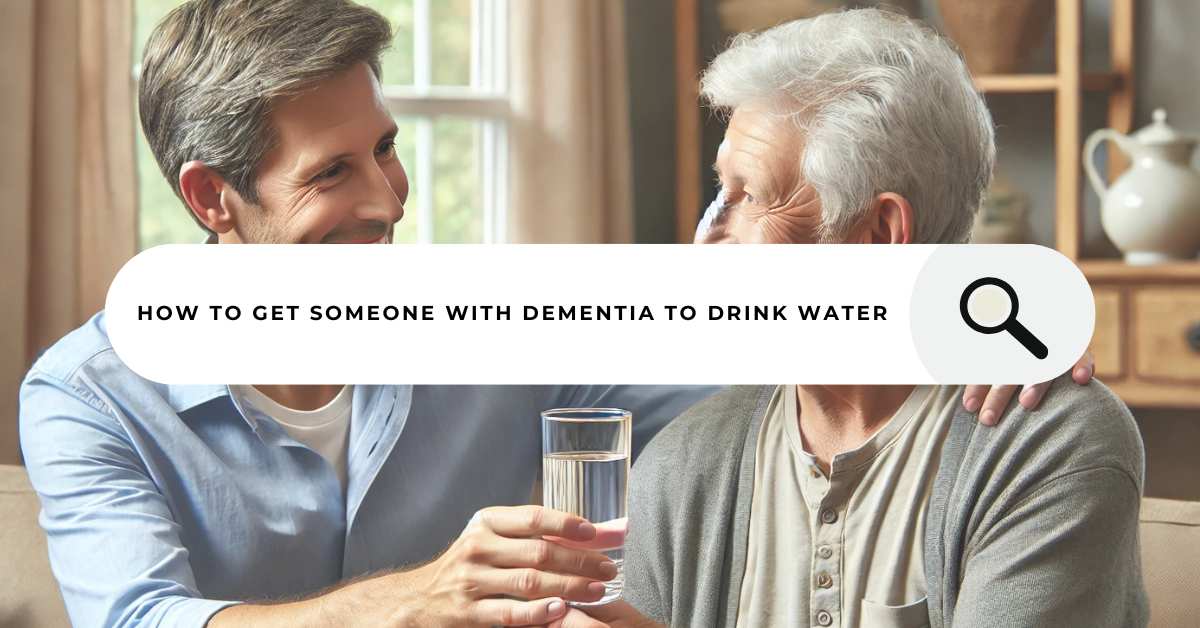
8 Proven Hydration Tips for Dementia: Keep Your Loved One Safe
Careblazer, it’s no secret that hydration is vital for everyone, but for your loved one with dementia, staying hydrated is even more crucial. Dehydration can lead to complications like constipation, urinary tract infections, confusion, and even headaches. It’s not just a matter of thirst; it affects their entire well-being. But I know how tricky it can be to get someone with dementia to drink enough water regularly. Don’t worry, though—I’ve got your back! Today, I’m going to share 8 easy and effective hydration tips for dementia caregivers that you can use to keep your loved one hydrated.
Why Hydration Matters for Dementia Patients
Staying hydrated isn’t as simple for someone with dementia as it is for you and me. Our brains are able to register when we’re thirsty, and we have the physical and cognitive ability to get ourselves a glass of water. Is that true for your loved one? Are they able to register thirst, express it, and physically get a drink? These steps, which seem basic, can be extremely challenging for dementia patients.
If they’re not properly hydrated, they’re at risk for serious issues like confusion, headaches, and even urinary tract infections. To make matters worse, some people with dementia have difficulty swallowing, which can make the problem even more complex. Before trying out the hydration tips below, consult your loved one’s primary care provider or a speech pathologist if they experience difficulty swallowing.
1. Keep Drinks Nearby
This one’s a no-brainer: keeping water within reach is a simple but effective way to ensure hydration. Place drinks near your loved one, especially during mealtimes. Mealtimes are a natural opportunity to offer drinks because it feels like a normal part of the eating process. Just having water or juice within arm’s reach can prompt them to drink without even thinking about it.
2. Provide Frequent Reminders
You can be creative with how you remind your loved one to drink. A simple “Are you thirsty?” or “Would you like some water?” can be enough to prompt them. Another way to remind them is by drinking water yourself—model the behavior! When they see you taking sips throughout the day, they may be more likely to follow suit.
3. Plan Frequent Hydration Breaks
Find natural moments in the day to suggest a hydration break. After finishing a load of laundry, folding clothes, or completing a puzzle together, suggest taking a short break with a drink. This casual approach makes it feel less like a demand and more like a natural part of the routine.
4. Use Brightly Colored Glasses
Vision issues often accompany aging, and people with dementia may struggle to see certain objects, like a clear drinking glass. Using brightly colored cups can help them notice the drink and be more inclined to pick it up. Something as simple as changing the color of the cup can make a huge difference.
5. Consider the Drinking Cup Design
Is the cup you’re using easy to grip? Does it have a handle, and is it spill-proof? These little details matter. If your loved one struggles with shaky hands, a heavier, weighted cup may work better. Pay attention to what they seem to prefer—some may like using a straw, while others may not.
6. Offer Choices for Drinks
Not everyone likes the taste of water! Don’t be afraid to switch it up. You can offer water flavorings, juices, teas, or even “spa water” with fruits like cucumbers or strawberries. Adding some flavor can make drinking more enjoyable, and hydration doesn’t always have to come from plain water.
7. Include Hydrating Foods
Hydration doesn’t have to come from liquids alone. Foods like fruits, yogurts, jello, and vegetables have high water content and can be a great way to keep your loved one hydrated without having to drink. Blueberries, lettuce, and watermelon are just a few examples of food that can help boost hydration levels.
8. Consult with Their Healthcare Provider
Lastly, talk to your loved one’s doctor about the medications they’re on. Some medications can cause dehydration, and it’s important to be aware of that. Discuss any potential side effects and ask if there are alternative medications if dehydration becomes an issue.
Final Thoughts on Keeping Dementia Patients Hydrated
Careblazer, you know your loved one best. Choose a few of these tips and start integrating them into your routine. Little changes can make a big difference, and helping your loved one stay hydrated can reduce the risks of dehydration-related health problems.
Want to watch the in-depth video that inspired this post?
Click the video below to watch. ↓
Transform Your Caregiving Journey: Join Our Care Collective Today 💖
Are you seeking deeper, more personalized support in your caregiving journey? Discover our Care Collective program, designed exclusively for caregivers like you. By joining, you’ll gain access to weekly support groups, engage in expert-led Q&A sessions, and connect with a vibrant community of caregivers who truly understand the challenges you face. Don’t navigate this path alone—CLICK HERE to learn more and become part of a supportive network dedicated to empowering caregivers with knowledge, compassion, and resources. Join us today and transform your caregiving journey!