

For the most part, we don’t want to correct someone with dementia. Doing so can hurt our relationship with them and make them less likely to accept our help in the future. And in the long run, that makes caregiving much harder for everyone involved.
However, there are two exceptions to this rule.
1. When safety is at risk
If there’s serious danger in what your loved one is doing, step in right away.
For example, if they’re about to pull a hot pan out of the oven without oven mitts, you’d want to stop them immediately.
Ideally, you wouldn’t correct them by saying they’re wrong. Instead, you could quickly call their name or say “stop,” then gently add, “Here, I forgot to give you these. Put them on first.” and hand them the oven mitts.
Notice how you kept them safe without making them feel bad.
2. When they’re upset or frustrated
If what they’re doing is causing distress, step in but gently.
Let’s say your loved one is working on a puzzle and has several pieces turned the wrong way. If they seem content, let them continue. There’s no harm in it.
But if they’re getting upset because the puzzle isn’t coming together, that’s your cue to help. Instead of pointing out what’s wrong, you could say, “That puzzle gave me trouble too. Here, let’s try this.” Then assist with a few pieces.
These small shifts help you protect their dignity while keeping your connection strong.
This week, I’m sharing 5 shocking facts about caregiving that most people never tell you.
Chances are, you’ve already experienced at least one of them.
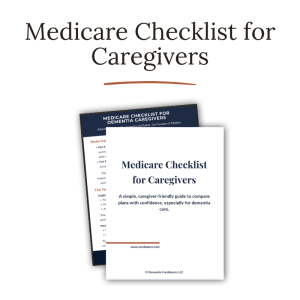
Last week, we shared a conversation with Chapter’s co-founder about the costly Medicare mistakes most families don’t know they’re making. We turned the key takeaways into a quick-reference guide you can use every year.
Grab your free Medicare Checklist by clicking HERE or the photo below.
Two weeks ago in one of our support groups, a Careblazer shared that one simple teaching “was a lifesaver.” She’s been caring for her husband and feeling completely exhausted, convinced nothing would ever get better. Then she learned the Formula for Change, a simple way to see that there’s always something you can do to make life a little easier.
Now she’s noticing moments of calm again and feeling hope where there used to be frustration.
May this story remind you that no matter how heavy things feel right now, they won’t always feel this way.
Sending love,

Board-certified Geropsychologist
Founder, Dementia Careblazers
Did someone share this with you?
If you found it helpful, you can get caregiver tools, expert answers, and support like this every Thursday — straight to your inbox, for free.