


Dementia Dose weekly newsletter header

Careblazer,

Just because something hasn’t happened yet doesn’t mean it never will.

You haven’t figured out how to get your loved one to bathe… yet.
You haven’t figured out how to get more help with caregiving… yet.

Those three little letters—Y-E-T—can shift your entire perspective.

They remind your brain: this is still possible.
The solution might not be here now, but it is still out there.

Our thoughts shape our outcomes. Be mindful of what you’re telling yourself.

Most meaningful goals don’t happen overnight.
But that doesn’t mean they won’t happen at all.

Here’s hoping this week’s Dementia Dose brings you one step closer to whatever caregiving goal you’re working toward.

love Dr. Natali - Dementia Dose Signature

💌 From The Inbox

Q: This week’s question comes from Cheril, who asks:
“How do you know when it’s time to stop your loved one from driving?”

A: It’s one of the hardest decisions a caregiver has to face. Driving represents freedom, control, and independence—and taking it away can feel like a major loss.

But safety has to come first.

Two of the biggest warning signs that someone may no longer be safe behind the wheel are slow reaction time and poor judgment—both of which are common in dementia. If your loved one struggles to process information quickly or makes risky decisions, it may be time to take a closer look.

In this week’s private video, I’ll walk you through:

  • Other signs that driving may no longer be safe
  • How to approach this difficult conversation
  • What to do if your loved one resists giving up the keys

Thank you for such an important question, Cheril. I know so many others are wondering the same.

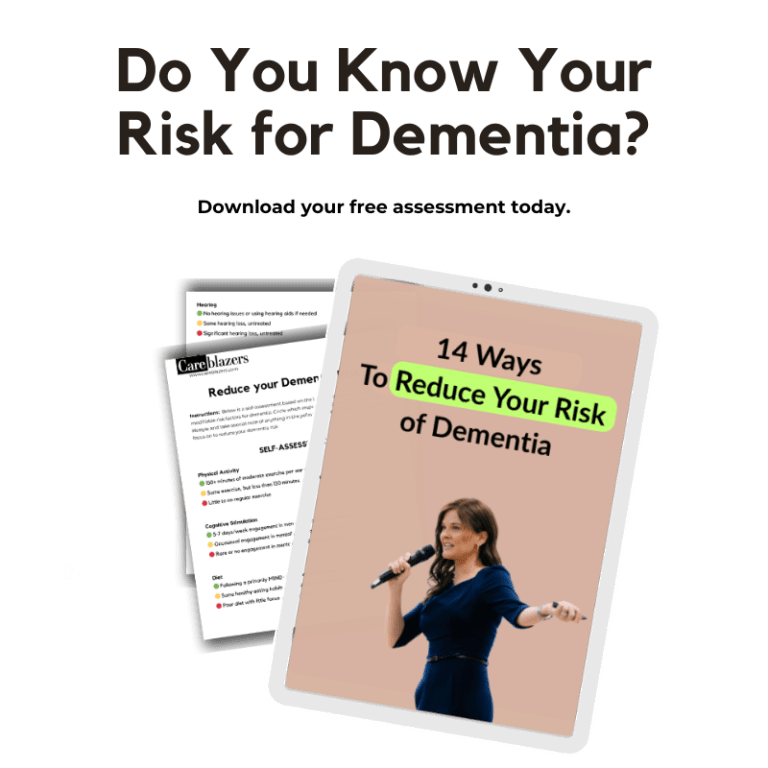
Dementia Risk Assessment

🍃 Resource Spotlight

Worried about your chances of developing dementia? Our Dementia Risk Check-In walks you through the 14 lifestyle factors most linked to brain health — based on the latest research — and helps you see where you stand.

You’ll also get simple first steps to help lower your risk (no matter where you’re starting from).

📺 Video of the Week​

Can dementia risk be reduced—even if it runs in the family?

The 2024 Lancet Commission says yes—nearly half of dementia cases may be preventable by changing 14 lifestyle factors.

In this week’s video, I break down each one and show you simple steps you can start today to protect your brain health.

Click The Picture To Watch

🩶 Why We Care

My jaw dropped when I heard what she said.

One of our Care Collective members shared that after her husband was diagnosed with Alzheimer’s, she asked his primary care provider for advice on how to best care for him.

The provider’s response?

“We don’t tell you how to raise your kids… we’re not going to tell you how to care for your husband.”

It broke my heart.

Caregivers should be supported.
Healthcare should make this journey easier.
The word care is literally in the job title.

When I started Dementia Careblazers, it was because of stories like this.
I wanted to put the care back in caregiving.

Families like you do it naturally.
We believe professionals should too.

Because behind every diagnosis is a real person.

A family.

A story that matters.

Here’s to putting more care into the world—together.

🧰 Careblazer Favorites: My “Deployment-Approved” Neck Massager
True story: When I deployed to Iraq, we were told to pack only the essentials—gear, boots, serious stuff.

Me? I packed a neck and shoulder massager.🤣

When my box got inspected, someone asked, “Why is this in here?”
A soldier chimed in, “She’s behavioral health. That is gear.”
It made the cut. And it earned its spot every single day.

If your shoulders are carrying the weight of the world (or just your caregiving stress), this massager might be your new best friend.

Click HERE to take a look and read reviews


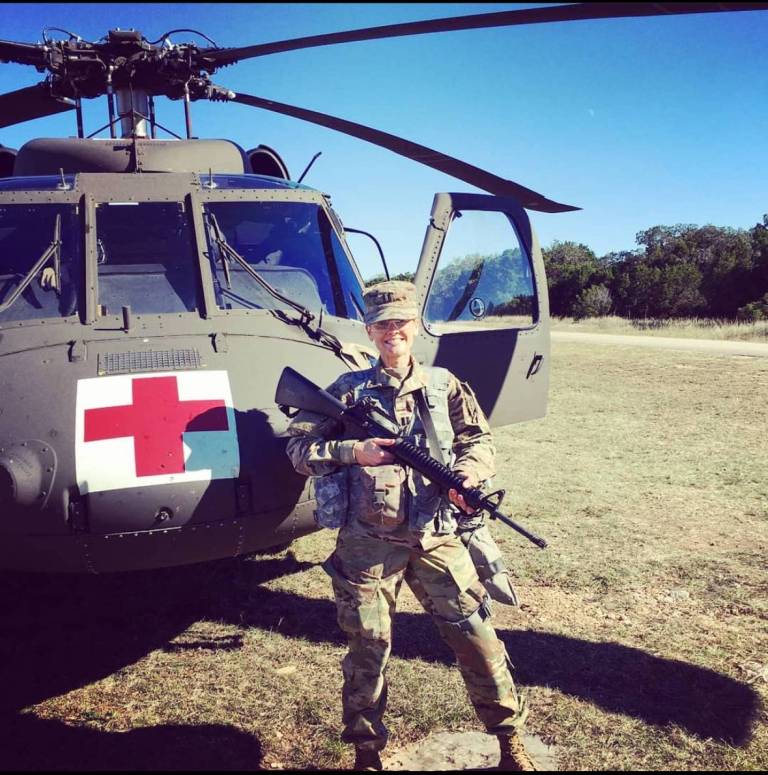
Here’s a little photo of me at an Army training 🙂

Sending love,

Curious what I’ve been up to this week? Click HERE to take a peek.

P.S. Have an inspiring, heart-warming, or heart-breaking story to share in the “🩶 Why We Care” section of the newsletter? Click HERE.

Did someone share this with you?
If you found it helpful, you can get caregiver tools, expert answers, and support like this every Thursday — straight to your inbox, for free.

Skip to content