

Dementia Dose weekly newsletter header

Careblazer,

While walking down a narrow stone staircase in Italy, I passed a woman wearing a shirt that caught my eye.

It said:

“There are many beautiful reasons to be happy.”

I smiled.

And then I thought:

Yes…and there are also many heartbreaking reasons to be sad.

That moment reminded me of something we often forget in the thick of caregiving:

Both can be true.

There is no escaping the pain that comes with watching someone you love decline.

There’s no bypassing the heartbreak, the loss, the daily stress.

But within the heaviness, there are still slivers of beauty all around.

Here’s the thing:

We don’t get to choose whether beautiful reasons or heartbreaking reasons appear. Both of them will.

But we do get to choose which one we give more of our attention to.

Choosing to see the beautiful doesn’t erase heartbreak…

But it can completely change how we experience it.

This week, I hope you’ll give yourself permission to look for one of the many beautiful reasons to smile.

Both heartbreak and joy exist.

You’re allowed to feel both.

And the more you practice seeing the beautiful, the more peace you’ll create.

love Dr. Natali - Dementia Dose Signature

💌 From The Inbox

Q: This week’s question comes from Barbara, who shared that her loved one’s dementia symptoms noticeably worsened after undergoing surgery with general anesthesia. She asks:

                                     “Is there a connection between anesthesia and dementia?”

A: This is such an important—and surprisingly common—concern among caregivers. While some families notice a clear change in their loved one after surgery, many doctors say it’s unrelated. So, what’s really going on?

The truth is: this topic is more complex than most people realize. That’s why I dedicated an entire video to answering this very question last year. In it, I explain:

  • What the current research says about anesthesia and dementia
  • Why what you see is different from what doctors tell you
  • What to ask before future procedures to help protect your loved one

PLUS, I include several medical journal articles for those who want to dive deeper.

🍃 Resource Spotlight

Feeling stuck with your loved one’s behaviors?

You may have seen this offer before. Maybe you meant to sign up. Maybe you weren’t sure it would help.

But if you’re still feeling frustrated, exhausted, or unsure what to do next—this is your sign to join us.

Behavior Breakthroughs: A 5-Day Live Experience starts July 7th.

In this first-of-its-kind event, I’ll walk you step-by-step through what’s really behind difficult dementia behaviors—and show you how to respond in ways that actually work (and help you feel better, too).

⏳ And no, you don’t have to attend live to benefit.
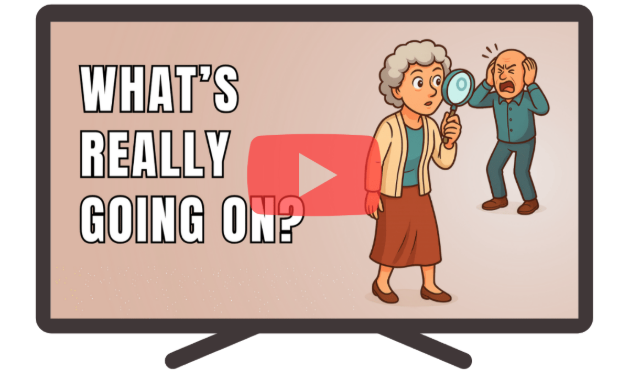
📺 Video of the Week​

3 Ways to Solve A Dementia Behavior

Ever feel like no matter what you try, nothing helps your loved one’s behavior?

Whether it’s refusal to bathe, delusions about break-ins, or late-night outbursts — it’s not because you’re doing it wrong… you just haven’t been shown what actually works.

In this video, I’ll walk you through 3 surprisingly effective ways to respond to difficult dementia behaviors — even when nothing else seems to help.

Watch the video HERE.

Click The Image To Watch

🧰 Careblazer Favorites: Motion-Sensor Night Light

Nighttime wandering or bathroom trips can be risky when the lights are off. A plug-in, motion-activated LED night light solves that — it pops on automatically with movement, illuminating dark spaces and helping prevent falls.

Your loved one doesn’t need to flip a switch, and you’ll feel more at ease knowing the path is safely lit.

Here’s one with 4.6★ and over 13,500 reviews — loved for its bright but comforting glow and reliable sensor activation.

→ Click to take a look on Amazon

Why caregivers love it:

  • Ease of use: Just plug it in—no setup or batteries.
  • Safety boost: Automatically lights up hallways or bathrooms at night.
  • Energy smart: Turns off after 90 seconds, using very little electricity.

Sending love,

love Dr. Natali - Dementia Dose Signature
A special moment in Tuscany

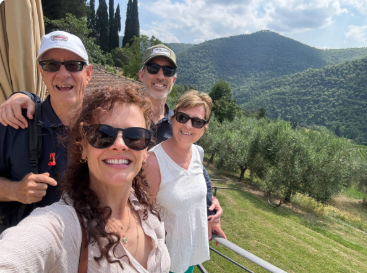
This photo was taken after climbing yet another narrow stone staircase (Italy loves its stairs!). I’m here with my husband and in-laws—on their very first trip outside the U.S. After losing both of my parents, it meant the world to share this experience with them. Life is never easy, but it can still offer us beautiful pockets of joy, especially when we least expect them.

Did someone share this with you?
If you found it helpful, you can get caregiver tools, expert answers, and support like this every Thursday — straight to your inbox, for free.

Skip to content