
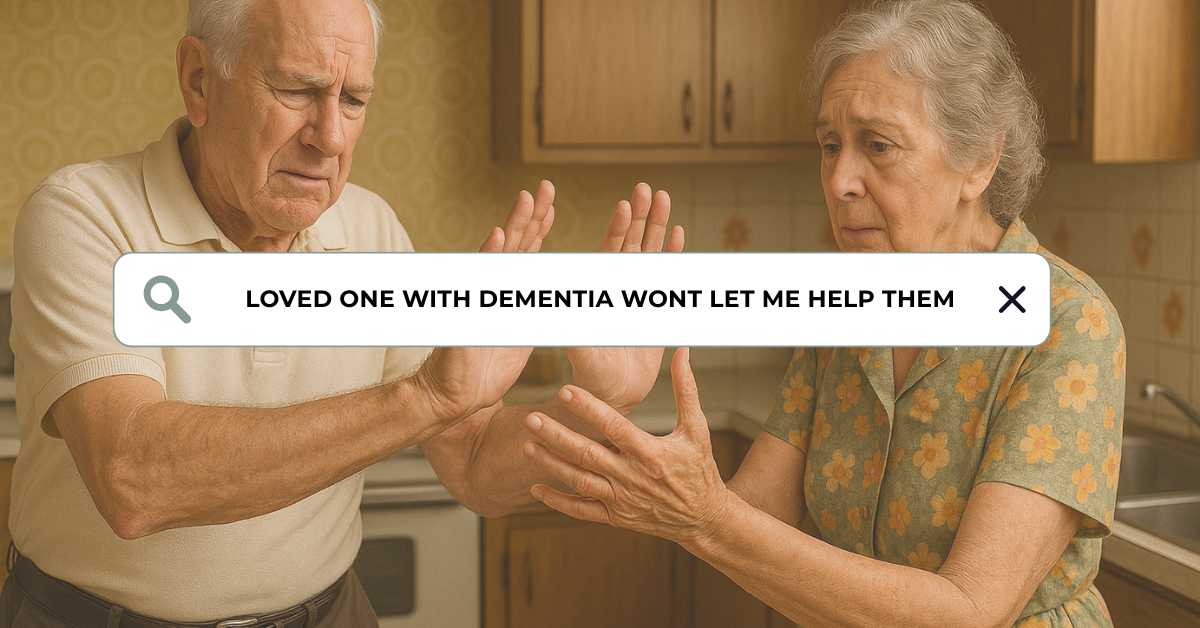
Have you ever felt heartbroken or confused when your loved one with dementia refuses your help—sometimes angrily, other times fearfully? You’re not alone. Many caregivers face this heartbreaking resistance, often blaming themselves or wondering what they’re doing wrong.
But here’s the truth: it’s usually not personal at all.
Let’s break down five eye-opening reasons why this happens, and more importantly, how you can respond with love, patience, and confidence.
1. Loss of Control: When Helping Feels Like a Threat
Why it happens
Imagine waking up one day and everything you once controlled—what to eat, when to shower, how to live—is now being decided by someone else. That’s what many people with dementia experience every day. Saying “no” may be their last way of holding onto independence.
What you can do
Instead of always offering help, ask for theirs: “Can you help me fold this?”
Let them take the lead on small, safe tasks—even if they’re not perfect.
Praise their efforts. Feeling useful can reduce pushback.
Caregiver mindset tip
Giving up some control can lead to more cooperation. It’s a small shift that can make a big difference.
2. Relationship Strain: Trust Comes Before Care
Why it happens
If your loved one doesn’t trust, recognize, or even like you in that moment, accepting help can feel uncomfortable or even threatening. Would you let someone you didn’t know help you bathe?
What you can do
Strengthen connection through simple, shared moments: watch a show, have coffee, laugh together.
Smile often and compliment them genuinely.
Keep building the relationship—every day, even if they forget.
Caregiver mindset tip
They may not remember the moment, but they’ll feel the emotional warmth. Over time, these small bonds add up.
3. Brain Changes: It’s Not Just Behavior—It’s Biology
Why it happens
Sometimes it’s not about unmet needs or bad communication. It’s the disease. The brain is literally breaking down—just like a phone with a broken speaker. You might be doing everything right, and it still doesn’t connect.
What you can do
Speak with their doctor about options—including medications if needed.
Exhaust non-medication approaches first, but don’t ignore medical help when behaviors become distressing.
Shift your mindset: your response is your power.
Caregiver mindset tip
Not everything is fixable. Let go of guilt. Some days, survival is success.
4. Unmet Needs: When They Can’t Say What’s Wrong
Why it happens
Hunger, pain, needing the toilet—your loved one might not be able to tell you. Instead, they resist, lash out, or shut down. You have to become a detective.
What you can do
Watch for body language: fidgeting, pacing, wincing.
Experiment gently: try a snack, adjust lighting, offer a restroom break.
Notice patterns—timing, environment, or activities can be clues.
Caregiver mindset tip
You don’t have to guess perfectly—just be willing to stay curious and compassionate.
5. Anosognosia: When They Truly Don’t Know They Need Help
Why it happens
Up to 90% of people with dementia experience a condition called anosognosia. They truly don’t believe anything is wrong. It’s not denial—it’s brain-based unawareness.
What you can do
Don’t argue or explain—they can’t see it your way.
Offer help subtly, without highlighting their struggles.
Join their reality instead of challenging it.
Caregiver mindset tip
This isn’t trickery—it’s dignity. Helping them feel safe is the goal.
Final Thoughts: Confidence Through Compassion
These five reasons – loss of control, relationship strain, brain changes, unmet needs, and anosognosia are at the heart of so many challenging moments. When you understand them, you can:
Stop taking things so personally
Focus on what actually works
Respond with empathy, not exhaustion
Rebuild your confidence as a caregiver
You’re doing more than enough. And now, you’re doing it with insight.
Join My 5-Day “Behavior Breakthrough” Live Experience
If this feels overwhelming—like too many keys, too many unknowns—you don’t have to do it alone.
Join the 5-day live experience: Behavior Breakthroughs, where we walk through:
The exact steps to identify the behavior “locks”
How to narrow your keys down to just a few effective approaches
This isn’t just theory—it’s real strategies for real caregivers who want to reduce frustration, deepen connection, and feel more confident in what to do next.
Want to watch the in-depth video that inspired this post?
Click the video below to watch. ↓