
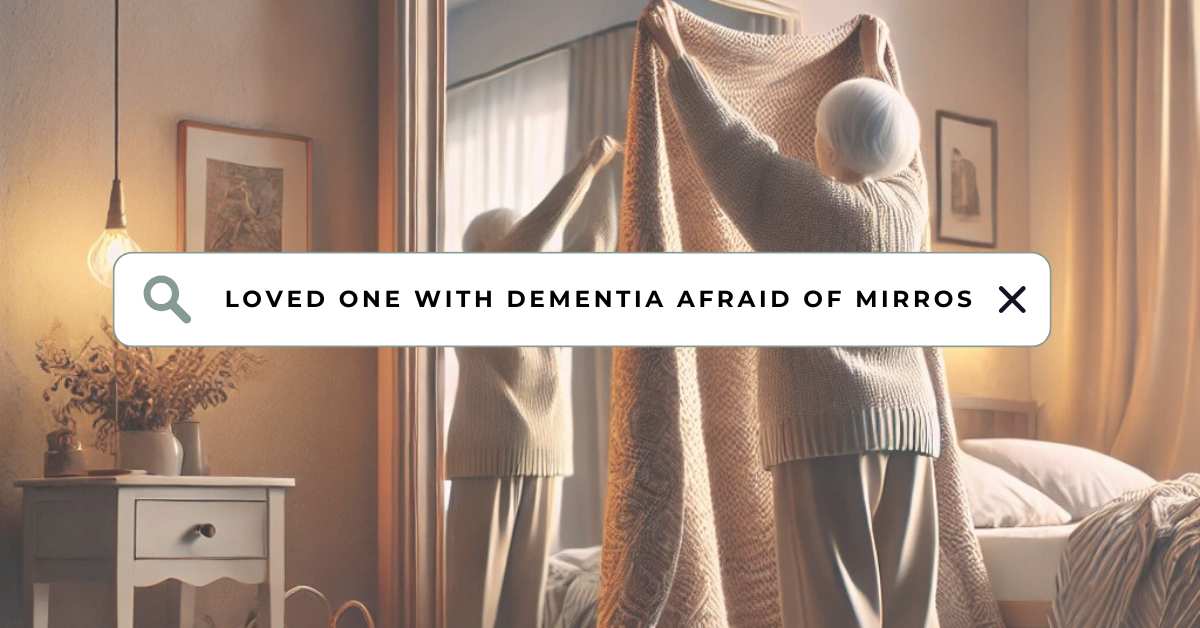
Caring for a loved one with dementia can come with unexpected challenges—one of which might be their sudden fear or confusion around mirrors. Have you noticed your loved one avoiding mirrors or reacting fearfully when they see their reflection? While this might seem strange at first, it’s actually a common phenomenon in people with dementia. Today, we’re diving into why this happens and, most importantly, what you can do to help.
Why Are Mirrors a Problem for People with Dementia?
Dementia affects the brain’s ability to process visual information, which can lead to misinterpretations of reflections. Let’s break down the main reasons why mirrors might be confusing or distressing for someone with dementia.
1. Difficulty Recognizing Reflections
One of the most common reasons is that they don’t recognize themselves in the mirror. Instead of seeing their own reflection, they might see an unfamiliar person staring back at them. This can be incredibly frightening—imagine walking into a room and suddenly seeing a stranger watching you!
2. Depth Perception Issues
Dementia can affect depth perception, making it harder for someone to judge distances or recognize flat surfaces. A mirror might not register as a reflection at all. Instead, they might perceive it as a hole in the wall, a doorway, or even another room. This can make them hesitate, freeze, or become anxious when passing by a mirror.
3. Increased Anxiety and Paranoia
Many people with dementia experience heightened anxiety, and mirrors can make it worse. Seeing sudden movement in the mirror might startle them, especially if they don’t realize it’s their own reflection. If they already experience paranoia, mirrors might intensify their fear, making them believe someone else is in the room with them.
Real-Life Caregiver Stories
This isn’t just a theory—it happens in real life. One caregiver inside our Care Collective program shared a story about her mom, who would scream in fear at night. After investigating, she realized the mirrored closet doors in the bedroom were causing distress. Her mom believed a stranger was inside the room, staring at her! Covering the mirrors immediately stopped the nighttime anxiety.
Another similar experience involved TV screens and video calls. A dementia patient, during a virtual doctor’s visit, kept trying to shake hands through the screen. He truly believed the person on the call was physically in the room with him, not understanding the concept of digital distance.
What Can You Do to Help?
If your loved one is experiencing confusion or fear around mirrors, there are several simple adjustments you can make to help ease their distress.
1. Cover or Remove Mirrors
If a mirror is causing distress, the easiest solution is to remove or cover it. You can use:
- ✅ Removable decals or stickers
- ✅ Curtains or sheets
- ✅ Wrapping paper or wallpaper
If removing the mirror isn’t an option, covering it at night or during high-anxiety moments can still help significantly.
2. Minimize Reflections
Mirrors aren’t the only issue—shiny surfaces like refrigerators, windows, or glass tables can also create reflections that confuse your loved one. If you notice distress around certain objects, try adjusting the lighting or covering highly reflective surfaces.
3. Adjust Lighting
Lighting plays a huge role in how reflections appear. Softening the light can make mirrors less prominent and reduce startling reflections. Consider using:
- ✅ Warmer, dimmer lights
- ✅ Positioning lamps to minimize glare
- ✅ Using nightlights to create a calm environment at night
4. Validate Their Feelings
If your loved one is afraid of a reflection, acknowledge their fear instead of dismissing it. Saying, “I can see why that might be confusing for you,” or “That must be unsettling, let’s make it more comfortable,” helps them feel understood and safe.
5. Redirect Their Attention
Once you’ve validated their emotions, gently redirect their focus. You might:
- ✅ Lead them into a different room
- ✅ Start a conversation about something comforting
- ✅ Offer a small distraction, like music or a familiar object
6. Look for Behavior Patterns
Pay attention to when and where your loved one becomes distressed by mirrors. Identifying patterns can help you adjust the environment accordingly. If the confusion is worst at night, try covering mirrors only during bedtime hours.
7. Use Non-Reflective Surfaces
Whenever possible, replace or cover reflective surfaces with matte finishes. This helps create a more dementia-friendly space where your loved one feels comfortable.
Key Takeaways
Mirror confusion is caused by visual perception changes in the brain.
Dementia patients might think their reflection is a stranger, leading to fear and anxiety.
Simple changes like covering mirrors, adjusting lighting, and minimizing reflections can significantly help.
Validating their feelings and using gentle redirection can ease distress.
Creating a dementia-friendly space makes a huge difference in their comfort and well-being.
If you’ve noticed mirror-related confusion in your loved one, you’re not alone. Small adjustments can transform their environment and reduce anxiety.
Want more support? Join our Care Collective, where caregivers like you share strategies that truly work. Learn more here.
Want to watch the in-depth video that inspired this post?
Click the video below to watch. ↓