
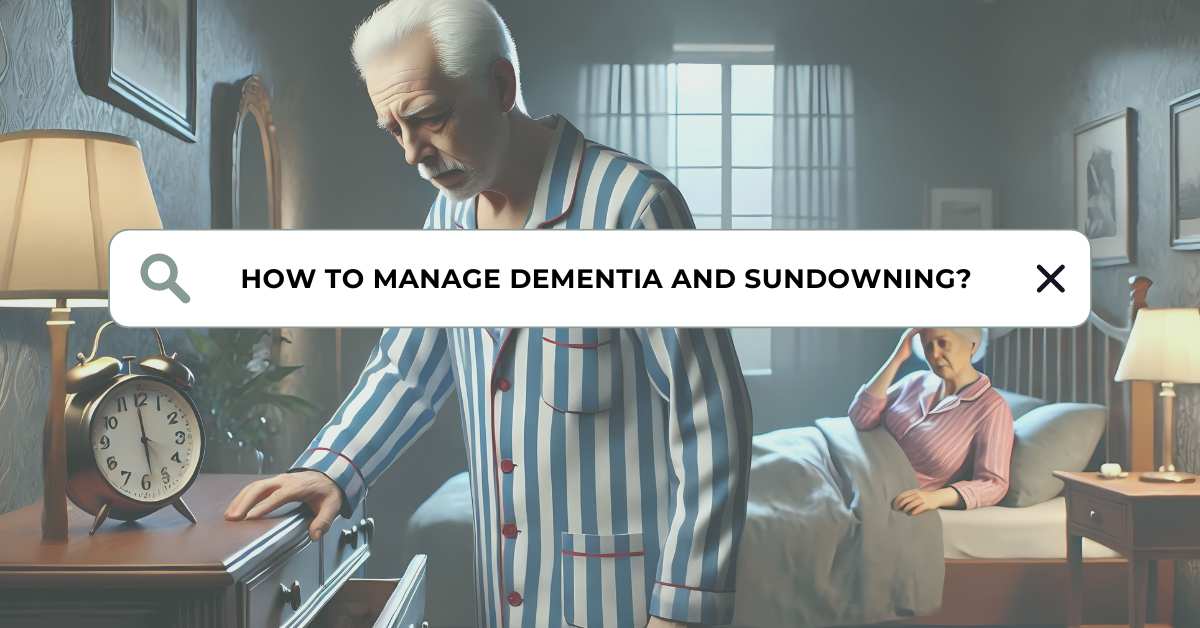
Have you ever seen how some people with dementia start to get restless and mixed up when evening rolls around? This puzzling change is called Sundowner Syndrome, also known as sundowning, and it’s as baffling as it is tough to handle. If you’ve ever felt at a loss watching this shift in someone you care about, you are not alone. In this post, we’re going to explore what Sundowner Syndrome really is, find out when it usually shows up in the journey of dementia, and give you some practical advice to help manage it effectively.
What is Sundowner Syndrome?
Sundowner Syndrome isn’t a standalone diagnosis but a descriptor for a set of symptoms that many individuals with dementia experience, particularly during the late afternoon into the night. The medical community hasn’t pinned down a formal definition yet, but it broadly covers behaviors like agitation, increased confusion, anxiety, pacing, and even hallucinations. The name itself hints at its timing—symptoms flaring up as the sun goes down, complicating the nighttime routine significantly.
When Does Sundowner Syndrome Appear?
Curious about when these challenges might begin? Sundowner Syndrome can show up at any stage of cognitive impairment but is most prevalent in the moderate to severe stages of dementia. Interestingly, up to 66% of people with dementia may experience these symptoms, with those living at home reportedly facing them more frequently than those in care facilities.
Decoding the Causes
Scientists are still trying to pinpoint exactly why Sundowner Syndrome happens, but they have some ideas that might explain it. As the day goes on, the brains of people with dementia are thought to work much harder than usual. Imagine a tired muscle after a long workout; similarly, the brain gets worn out. This exhaustion can cause what’s often referred to as a ‘meltdown.’ During this meltdown, it becomes hard for the person to tell the difference between what’s happening right now and what they remember from the past. This mix-up is what leads to the symptoms of confusion, agitation, and anxiety we often see in the evenings among those with dementia.
Top Tips to Manage Sundowning
Managing Sundowner Syndrome effectively can enhance the quality of life for both the caregiver and the person with dementia. Here are some tried and true strategies to help keep these challenging symptoms at bay:
1. Establish a Routine
Keeping a regular schedule helps not only your loved one but you as well. Regular wake times, meal times, and bedtimes create predictability, which can be soothing. Research underscores that a structured day reduces the likelihood of anxiety and agitation.
2. Balance Sleep Patterns
Ensure your loved one gets just the right amount of sleep—not too much and not too little. Some caregivers find that a post-lunch nap can do wonders, allowing the brain to recharge. Also, steer clear of stimulants like caffeine or nicotine near bedtime to prevent sleep disturbances.
3. Self-Care is Crucial
Your emotional state affects your loved one. Incorporating self-care into your routine can prevent your stress from exacerbating their symptoms. If you cherish a daily walk, include your loved one. And when they nap, consider taking a brief rest too.
4. Engage in Activities
Plan enjoyable activities throughout the day, especially during typical agitation periods. Activities should be more engaging than passive TV watching. Also, schedule challenging tasks like doctor’s appointments for when your loved one is most alert, typically in the morning.
5. Keep the Lights On
Enhanced evening lighting can prevent misperceptions and confusion in people with dementia. Some studies even suggest that exposure to bright light during the day can improve nighttime sleep.
6. Create a Calming Environment
Use soothing music, aroma therapies, and gentle touch to create a relaxing atmosphere, especially during peak times of agitation. Limit exposure to loud or violent TV programs as these can be misinterpreted as reality by someone with dementia.
7. Play Detective
Keep a journal of when Sundowner symptoms occur and what’s happening at that time. Identifying patterns can help you modify routines or environments to mitigate these episodes.
8. Consult Healthcare Providers
If behavioral and environmental interventions don’t alleviate the symptoms, discuss medication options with your loved one’s doctor. While medications can sometimes contribute to confusion, they might be necessary if other strategies fail.
Watch for Emergencies
Always be vigilant for sudden changes in behavior, which could indicate an underlying medical issue like delirium. If you notice a significant shift, consult a healthcare professional immediately to rule out infections or other treatable conditions.
We’re in This Together!
To all our Careblazers out there, if you’ve navigated Sundowner Syndrome and found effective strategies, share your experiences in the comments to help others in our community. Remember, you’re not alone on this journey—we’re here to support each other every step of the way.
Want to watch the in-depth video that inspired this post?
Click the video below to watch. ↓
Transform Your Caregiving Journey: Join Our Care Collective Today 💖
Are you seeking deeper, more personalized support in your caregiving journey? Discover our Care Collective program, designed exclusively for caregivers like you. By joining, you’ll gain access to weekly support groups, engage in expert-led Q&A sessions, and connect with a vibrant community of caregivers who truly understand the challenges you face. Don’t navigate this path alone—CLICK HERE to learn more and become part of a supportive network dedicated to empowering caregivers with knowledge, compassion, and resources. Join us today and transform your caregiving journey!