
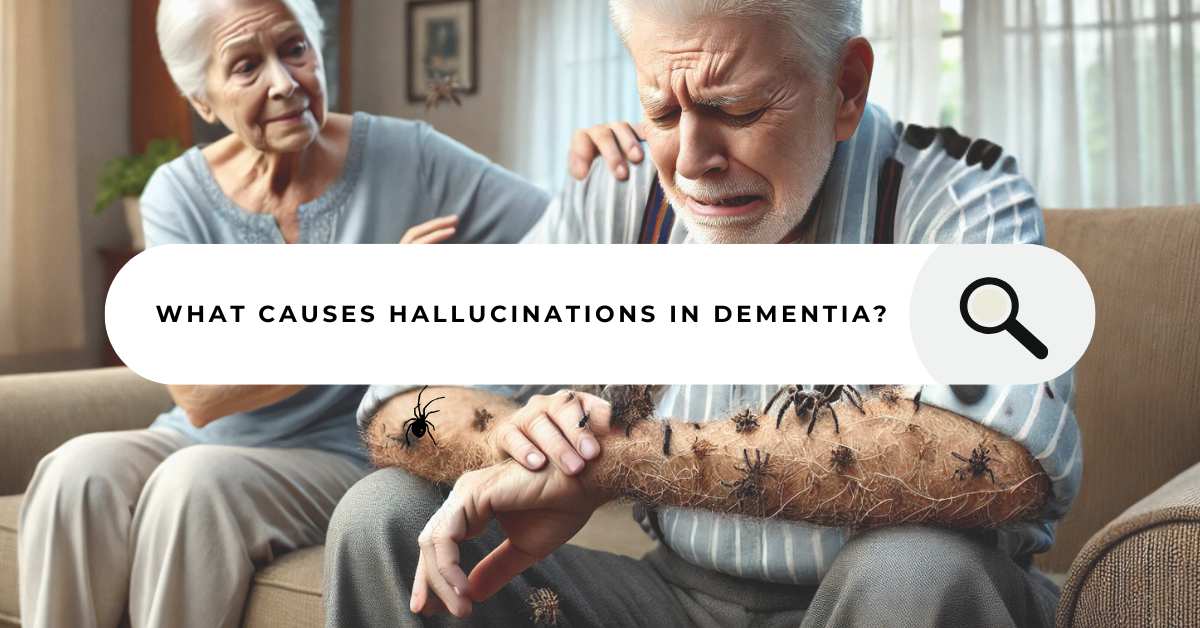
Understanding and Managing Dementia Hallucinations
Welcome back, Careblazer! If you’re here, you’re likely seeking insight and support for a loved one living with dementia. Dementia can be a challenging journey, and as caregivers, we often encounter behaviors that seem hard to understand, like hallucinations. In this post, we’ll explore everything you need to know about dementia hallucinations: what they are, why they happen, and the best ways to respond to them with compassion and understanding.
What Are Dementia Hallucinations?
So, what exactly are dementia hallucinations? Simply put, hallucinations are sensory experiences that feel very real to the person experiencing them, even though they aren’t happening in reality. To a person with dementia, the hallucination is as genuine as anything else. Imagine seeing, hearing, or even feeling something that feels completely real to you – that’s what a hallucination is like for them.
Hallucinations in dementia can affect all five senses:
Visual Hallucinations – seeing things that aren’t there (e.g., people, animals, or even bugs).
Auditory Hallucinations – hearing sounds that others don’t hear.
Tactile Hallucinations – feeling sensations on the skin, like bugs crawling.
Olfactory Hallucinations – smelling odors that aren’t present, like smoke.
Gustatory Hallucinations – tasting something that isn’t there, often a metallic taste.
While hallucinations are more prominent in certain types of dementia, like Lewy body dementia, they can occur in any dementia form. Visual hallucinations, in particular, are the most common type experienced by those with dementia.
Why Do Hallucinations Happen in Dementia?
Wondering what actually causes these sensory experiences? One primary cause is the changes happening in the brain due to dementia. The brain’s complex alterations can create these intense, realistic experiences.
However, hallucinations in dementia aren’t always directly caused by dementia itself. Certain factors like infections, medication side effects, or even physical illnesses can trigger hallucinations. This is why it’s crucial to reach out to a healthcare provider if your loved one begins experiencing hallucinations, especially if they’re new or worsening.
Responding to Hallucinations in Dementia: What Can You Do?
So, what’s the best way to respond to these hallucinations when they arise? Here’s a strategy breakdown to help you support your loved one with compassion and sensitivity.
1. Assess if the Hallucination Is Distressing
First, ask yourself, “Is my loved one bothered by this hallucination?” Not all hallucinations are distressing. In fact, some people with dementia may even find comfort or joy in them. If the hallucination isn’t causing any harm, it may not need any intervention at all. For instance, some may feel that they’re visited by an old friend or a pet, and if it’s harmless and comforting, it might be best to let it be.
2. Stay Calm and Reassuring
If the hallucination is distressing, the first step is to remain calm. I know, it can be hard, but your calmness can go a long way. Avoid arguing or trying to convince them that what they’re seeing or hearing isn’t real – remember, to them, it is real. Use a gentle tone, acknowledge their feelings, and validate their experience. This validation helps to build trust and create a supportive environment.
3. Gather Information About Their Experience
Take a moment to ask them about what they’re experiencing. This doesn’t mean you’re “playing along” – instead, it’s about understanding what they’re going through. By asking questions, you can gather more information that might help you discern whether it’s a hallucination, an illusion, or perhaps a simple misinterpretation of something in their environment.
4. Recognize the Difference Between Hallucinations and Illusions
An illusion is slightly different from a hallucination. With an illusion, there’s actually something in the environment that your loved one is misinterpreting. For instance, one of my patients once thought there was a person in his bed because of a crumpled blanket. By addressing the physical setup (making the bed each morning), we were able to alleviate his concern.
Another example? Some individuals with dementia may see their own reflection in a mirror and believe it’s someone else. In these cases, covering the mirrors or removing them altogether can sometimes help.
5. Address Tactile Hallucinations Safely
If your loved one experiences tactile hallucinations – the feeling of bugs crawling on their skin, for example – it’s essential to rule out any physical causes, such as a reaction to medication. For these types of hallucinations, show concern by looking at the area they’re focused on and perhaps apply some lotion to show you’re addressing it. Keeping nails short or having them wear gloves can help if scratching becomes a concern, as this can prevent potential skin infections.
6. Use Redirection When Needed
If the hallucination is particularly distressing, redirecting their focus to something enjoyable can be helpful. Try moving to another room, offering a snack, engaging in a favorite activity, or turning on a favorite TV show. Sometimes a simple change of scenery is all it takes to ease their mind.
7. When in Doubt, Contact the Doctor
As always, keep your loved one’s healthcare provider in the loop, especially if you notice new or increasing hallucinations. Certain physical conditions and medications can trigger these experiences, so a check-in with the doctor is essential to rule out any underlying causes.
Real-Life Stories: Handling Hallucinations with a Personal Touch
Sometimes, a bit of creativity can make a big difference in responding to a loved one’s hallucinations. One of my friends shared a story about her father, who had Lewy body dementia. He would often see men in the backyard, standing by the trees. Instead of dismissing his experience, she would sit with him and ask, “Are any of them single? I’m looking for a boyfriend!” They’d share a laugh, and it lightened the mood, turning a distressing moment into something much more manageable.
These personal touches can make a world of difference in creating a sense of connection and comfort.
Illusions, Hallucinations, and Perception in Dementia
Beyond hallucinations, people with dementia may sometimes misinterpret things in their environment, leading to illusions or other perception issues. Mirrors, for instance, can be a source of confusion. Imagine not recognizing yourself and thinking there’s a stranger in the room – it’s no wonder some people become distressed in front of a mirror.
Practical Tips for Dealing with Dementia Hallucinations and Illusions
Ask and Understand – Before reacting, ask them about what they’re experiencing. Listening can provide essential clues.
Change the Environment – If mirrors are a trigger, consider covering them or moving your loved one to another space.
Tactile Reassurance – For tactile hallucinations, address the sensation by applying lotion or checking the area of concern.
Redirect with Care – Always acknowledge their feelings before redirecting them to another activity.
Keep the Healthcare Provider Updated – If you notice an increase in hallucinations, reach out to the doctor for support.
Remember: Hallucinations Are Real to Your Loved One
Keep in mind that your loved one’s hallucinations are real to them. They’re not “making it up.” The brain is complex and can create intense, realistic experiences that others don’t perceive. Compassion and patience go a long way in these situations.
If you found this information helpful, feel free to check out our Care Collective community, where we offer personalized support, weekly sessions, and a private platform to connect with other caregivers and dementia experts. Supporting each other in this journey is invaluable.
Thank you, Careblazer, for all you do. Your role is irreplaceable, and you’re making a difference every day. Let’s continue this journey together, one step at a time.
Want to watch the in-depth video that inspired this post?
Click the video below to watch. ↓