
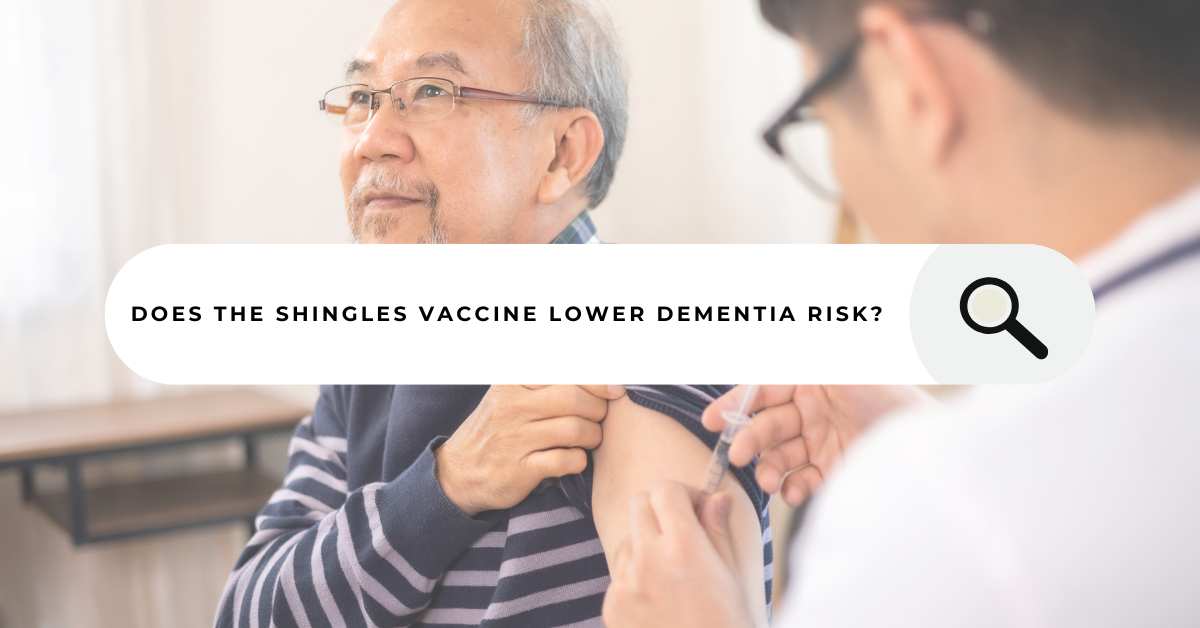
What If a Vaccine Could Reduce Dementia Risk?
Many of us worry about developing dementia as we age, and we want to do everything possible to reduce our risk. But what if I told you that a recent study published in July 2024 in the prestigious Journal of Nature found a new way to potentially lower your dementia risk? Yes, it’s true! Today, I’m going to share some exciting findings from this study that could change how we think about dementia prevention. Even better, I’ll provide a link to the full study, so you can explore the details yourself.
Now, you might already be familiar with the typical advice for reducing dementia risk—regular exercise, healthy eating, avoiding smoking, and keeping alcohol consumption in check. These are all great steps, and I’ve even covered them in a previous video, which I’ll be sure to link below. But this new study introduces something we haven’t really considered before—a connection between shingles (also known as herpes zoster) and dementia risk. Intrigued? Let’s dive in!
The Surprising Link Between Shingles and Dementia
You might be thinking, What does shingles have to do with dementia? Turns out, quite a bit! Shingles, or herpes zoster, is a viral infection that causes a painful rash or blister outbreak on the skin. While there’s no cure for shingles, we do have a vaccine to prevent it. And here’s where it gets interesting—there’s growing evidence that preventing shingles could reduce the risk of developing dementia.
In fact, previous studies have suggested that the shingles vaccine could lower dementia risk, but those studies looked at an older version of the vaccine that we don’t even use anymore. The main vaccine used today is called Shingrix, and it replaced the older Zostavax vaccine in 2020. So, does this newer vaccine still have the same dementia-protective effects? The study we’re talking about today aimed to find out.
What the July 2024 Study Discovered
The new study, published in Nature in July 2024, took a deep dive into the data to see if the Shingrix vaccine could reduce dementia risk. Here’s what they did: Researchers looked at the medical records of over 200,000 Americans aged 65 and older. They followed these individuals for six years and compared the dementia rates between those who received the Shingrix vaccine and those who did not.
And guess what? The results were pretty remarkable! The study found that people who received the Shingrix vaccine had a 17% lower risk of developing dementia over that six-year period. Even more interesting, for those who did develop dementia after receiving the vaccine, their diagnosis was delayed by an average of 164 days. That’s roughly five extra months before dementia set in! This finding has generated a lot of buzz in the media, and for good reason.
Now, while this isn’t the first study to show a connection between shingles vaccines and dementia risk, it’s the first to compare the old and new vaccines directly. Previous studies looked at people who were vaccinated versus those who weren’t, but this study compared individuals who received the old Zostavax vaccine with those who received the newer Shingrix vaccine. And yes, the good news is that Shingrix still offers the same dementia risk-reducing benefits!
Why Does a Shingles Vaccine Lower Dementia Risk?
At this point, you might be wondering, Why would a shingles vaccine affect dementia risk in the first place? Great question! The study points to three potential reasons why getting vaccinated against shingles might help protect your brain:
Protection Against Herpes Infections: There’s a hypothesis that certain herpes infections, like the one that causes shingles, could increase the risk of developing dementia. So, by getting vaccinated and preventing shingles, you might also be reducing your risk of these infections, and in turn, lowering your dementia risk.
Strengthening the Immune System: Vaccines like Shingrix help your immune system function properly and stay strong. A well-maintained immune system can fend off various infections and illnesses, and researchers think this improved immune response could contribute to better brain health.
Reducing Inflammation: Shingles outbreaks cause inflammation in the body, and inflammation has been linked to the development of dementia. By reducing the chances of a shingles outbreak, you’re also potentially lowering levels of inflammation, which may help protect your brain over the long term.
What Does This Mean for You?
If you’re concerned about your own risk of dementia—or if you’re caring for someone who is—this study offers some encouraging insights. Could the shingles vaccine be part of your dementia prevention plan? It’s definitely something worth discussing with your healthcare provider. Keep in mind, though, that this is just one piece of the puzzle.
Preventing dementia is a complex and multifaceted challenge. It’s not going to come down to just one vaccine or one lifestyle change. A holistic approach is essential—regular exercise, a healthy diet, avoiding tobacco and excessive alcohol use, and staying mentally active are all important components of reducing your risk.
In other words, think of the shingles vaccine as one tool in your dementia-prevention toolkit. It’s a valuable tool, but it’s not a substitute for all the other lifestyle factors that play a role in brain health. I’ve covered these in previous videos, which I’ll link below, so you can explore more ways to protect your cognitive health.
Wrapping It Up: Your Next Steps
So, where does this leave you? First, if you haven’t already received the Shingrix vaccine, it might be worth considering—especially if you’re in a higher risk group for shingles or dementia. Talk to your doctor to see if it’s right for you.
Second, remember that dementia prevention is all about the big picture. The shingles vaccine could be one piece of the puzzle, but it’s not the only one. Make sure you’re staying active, eating well, and taking care of your overall health. After all, a healthy body and a healthy brain go hand in hand!
And finally, if you’re interested in diving deeper into the research, I’ve linked the July 2024 study as well as older studies on this topic below. You can check them out for yourself and make your own informed decisions.
Until next time, take care of yourself and those around you. We’re all in this together when it comes to protecting our brain health!
Resources:
Want to watch the in-depth video that inspired this post?
Click the video below to watch. ↓
Transform Your Caregiving Journey: Join Our Care Collective Today 💖
Are you seeking deeper, more personalized support in your caregiving journey? Discover our Care Collective program, designed exclusively for caregivers like you. By joining, you’ll gain access to weekly support groups, engage in expert-led Q&A sessions, and connect with a vibrant community of caregivers who truly understand the challenges you face. Don’t navigate this path alone—CLICK HERE to learn more and become part of a supportive network dedicated to empowering caregivers with knowledge, compassion, and resources. Join us today and transform your caregiving journey!