

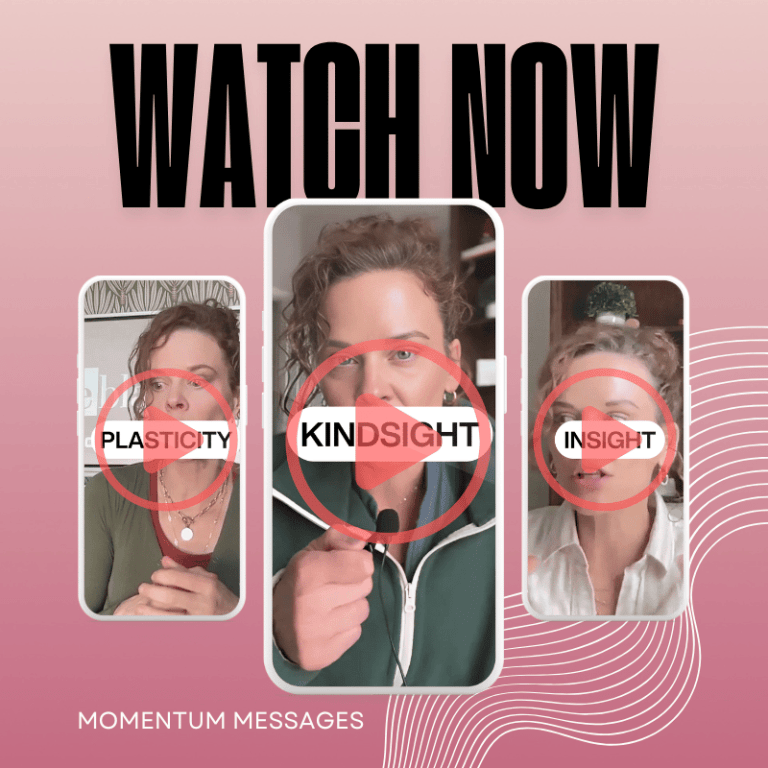
Dementia Dose weekly newsletter header

Careblazer,

Have you ever stopped to ask yourself:

What would happen to my loved one with dementia if I wasn’t here tomorrow?

Who would care for them?

Would they receive the same level of love, patience, and attention you give—day in and day out?

We spend so much time focusing on the person with dementia, we often forget the most important part of their care plan…

You.

Without you, their care wouldn’t be the same.

So when you make a mistake or lose your patience (as all caregivers do), please go easy on yourself.

And more importantly—take care of yourself.

Drink your water.

Move your body.

Reschedule that doctor’s appointment you’ve been putting off.

Because everything you do to care for yourself directly benefits the person you’re caring for.

Call it self-care if you’d like.

But around here, we like to call it life-care—for your life, and theirs.

This week’s video + free resource is a 5-minute challenge to help you take one meaningful step toward your own health.

Keep reading to get started.

love Dr. Natali - Dementia Dose Signature

💌 From The Inbox

Q: This week’s question comes from Catherine, who asks:
“My mom has mild cognitive impairment. Should I ask for more testing?”

A: Great question, Catherine—one that many caregivers wonder about.

Yes, further testing is usually recommended after a diagnosis of mild cognitive impairment (MCI), but the timing and type of testing really matter. In this week’s private video, I walk you through:

  • When it makes sense to get more testing
  • The specific kind of testing to ask for
  • And how to know when testing may no longer be helpful

It’s all about getting the right info at the right time—so you’re not doing more than you need to, and your loved one gets the best possible care.

Careblazers Momentum Messages by Dr. Natali Edmonds

🍃 Resource Spotlight

Momentum Messages

Every Monday, I send a personal video to my Care Collective members—raw, real, and filled with things I don’t talk about to just anyone.

For the first time ever, I’m sharing 2 of those private messages with you. One is for the days you feel like giving up. The other is for when you haven’t felt truly happy in a long time.

If you need a little hope today, these were made for you.
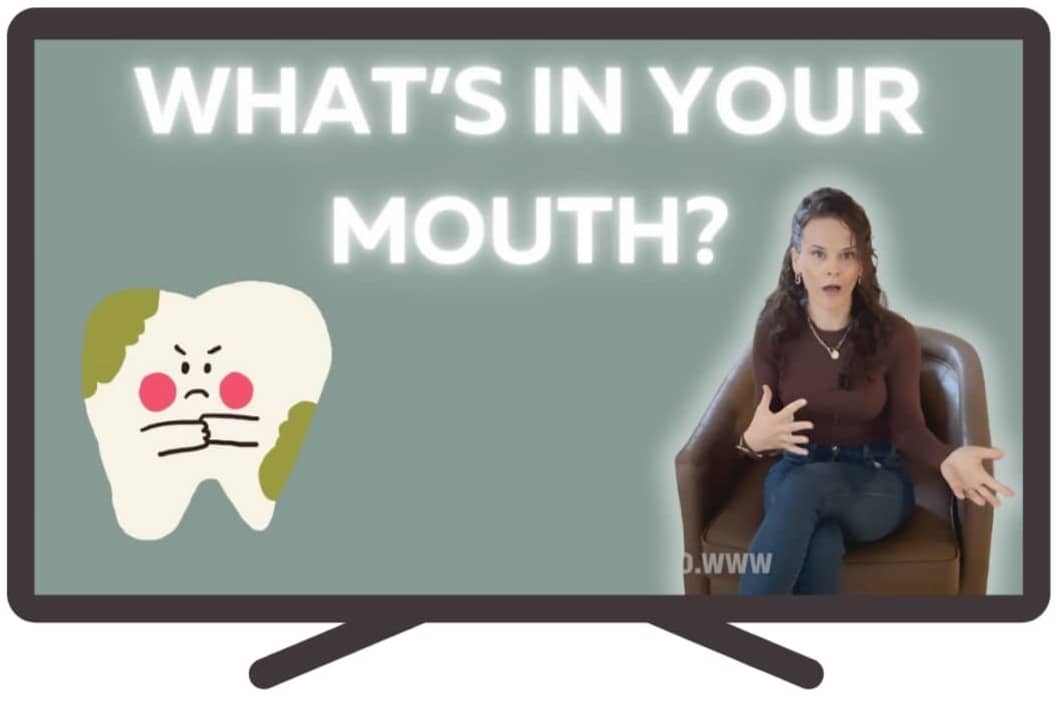
📺 Video of the Week​

Could your mouth be affecting your memory?

New research shows that certain mouth bacteria might actually increase your chances of developing dementia—while others could help protect your brain.

In this week’s video, I’ll show you what to look out for and simple ways to improve your oral health starting today.

Because brushing your teeth isn’t just about a clean smile—it might also be one of the easiest ways to protect your brain.

Click The Picture To Watch

🩶 Why We Care

I remember it like it was yesterday.

A family, huddled around the table in our clinic, waiting to hear the news they were dreading.

After a full day of testing, we confirmed what they feared: their loved one had dementia.

We spent the next hour answering their questions, explaining the diagnosis, offering resources, and doing our best to ease the shock.

And then?

We told them we’d see them in one year.

One year.

That family was left to navigate the heartbreak, the confusion, the changing behaviors—all on their own.

No regular check-ins. No ongoing support. Just silence… until the next appointment.

That moment stuck with me.

It’s why I started Dementia Careblazers.

Because no family should have to wait a year for support.

Because you deserve answers, guidance, and community—right now.


Sending love,

Curious what I’ve been up to this week? Click HERE to take a peek.

P.S. Have an inspiring, heart-warming, or heart-breaking story to share in the “🩶 Why We Care” section of the newsletter? Click HERE.

Did someone share this with you?
If you found it helpful, you can get caregiver tools, expert answers, and support like this every Thursday — straight to your inbox, for free.

Skip to content